The Verb and the Paragraph in Biblical Hebrew: A Cognitive-Linguistic Approach
Book information
Description
In The Verb and the Paragraph in Biblical Hebrew, Elizabeth Robar employs cognitive linguistics to unravel the notorious grammatical quandary in biblical Hebrew: explaining the waw consecutive, as well as other poorly understood verbal forms (e.g. with paragogic suffixes). She explains that languages must communicate the shape of thought units: including the prototypical paragraph, with its beginning, middle and ending; and its message. She demonstrates how the waw consecutive is both simpler and more nuanced than often argued. It neither foregrounds nor is a preterite, but it enables highly embedded textual structures. She also shows how allegedly anomalous forms may be used for thematic purposes, guiding the reader to the author’s intended interpretation for the text as it stands.
Similar books

Wandering in Darkness: Narrative and the Problem of Suffering
2010 · PDF

Whys & Therefores: A Rational Look at the English Language
2011 · PDF
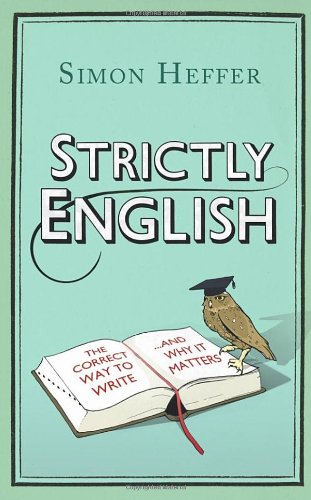
Strictly English: The Correct Way to Write . . . And Why It Matters
2010 · MOBI
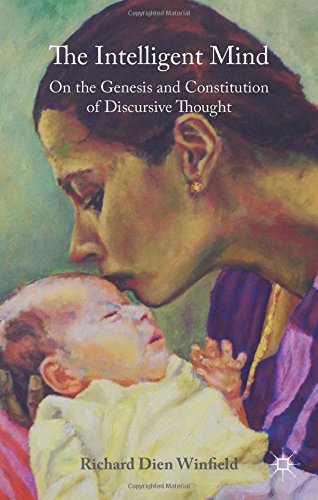
The Intelligent Mind: On the Genesis and Constitution of Discursive Thought
2015 · PDF

Ostension: Word Learning and the Embodied Mind
2014 · PDF

Dimensions of Literacy: A Conceptual Base for Teaching Reading and Writing in School Settings
2014 · PDF

How Language Began: Gesture and Speech in Human Evolution
2012 · EPUB

Palimpsest: A History of the Written Word
2015 · EPUB