Inclusive Digital Education
Book information
Description
This book is about the promotion and development of digital solutions for inclusive education, including a variety of hardware, software, digital learning materials, and digital learning content currently available on the market. All of these technological solutions serve as support materials and building blocks for inclusive learning environments but, at the same time, can involve hidden risks which may inadvertently create even greater gaps in inclusive education. This book provides strategies and methodologies that promote the development of opportunities for using digital technologies to support inclusive education. It provides an, understanding how to close the current digital gap while ensuring that the digital technologies selected do not support new risks of exclusion from the digital learning environment, strengthening and augmenting the already existing digital divide. Looking Forward to Inclusive Digital Education Organization of the Book Contents Inclusive Technology-Enhanced Education References A Third Space: Infusing Open Educational Resources (OER) with Universal Design for Learning (UDL) Introduction Open Education Resources (OER) Students as Co-Creators of OERs User Generated Content: Its Role in Education and OER Development Open Education Practices (OEP) Supporting Students as Co-Creators and Consumers and Users of OERs UDL Underpinning Inclusive Equitable Design A Third Space Infusing Open Educational Resources (OER) with Universal Design for Learning (UDL) Conclusion References Open Educational Resources for Inclusive Education: A Tangible Response for Italian School The ICF and the Use of Technologies Open Educational Resources (OER) Types of OERs and Where to Find Them Available Licences for the Creation of Open Multimedia Resources The Advantages of OERs OERs for Inclusive Education The Contribution of Research for the Italian School The So.Di.Linux Characteristics So.Di.Linux for the Inclusion of Specific Disabilities Essediquadro The Database Insights Essediquadro Training Target Users Contents and Methods of Use Conclusions References Digital Education to Approach the Affective Domain in Mathematics Learning Introduction Affective Domain in Mathematics Mathematics, Technology, and Affect Methodology Mobile Apps Robotics Learning to Drive Polygonal Routes Arithmetic at a Line GeoGebra 3D Design and Printing Analysis of Results Conclusion References Inquiry-Based Learning Focused on Inclusive Education in Programming of Robots: Challenges, Experience, and Feedback of First Cycle Students Introduction State of the Art in Student-Oriented IBL Application of Methodology to the Course with Focus on Gifted Students Teaching Process Learning Process: Students’ Projects Project “Parking System” Project “Store Robot Logistic” Project “Maze Solution” Criteria for the Learning Assessment Results of Evaluation of the Methodology Results on Learning Process Results on Teaching Process Conclusions References Content Design for Inclusive Educational Environments Introduction Educational Game Design Frameworks Instructional Design Models ADDIE: A Five-Phase Model of Instructional Design A Four-Dimensional Framework for Evaluating Games and Simulation-Based Learning Game Development Life Cycle The WUIM Production Process Analyse: The First Phase of ADDIE Context of Learning Learner Characteristics Pedagogical Considerations Psychopedagogical Approaches for Teaching Students with SEND in Inclusive Classrooms Psychopedagogical Interventions in the Field of Special Education Psychopedagogical Affordances of Educational Games Mode of Representation Design: The Second Phase of ADDIE Develop: The Third Phase of ADDIE Implement: The Fourth Phase of ADDIE Evaluation: A Process for Each Phase of ADDIE Conclusions References Student-Centered Active Digital Technologies for High Abilities and Gifted Students Introduction Review of Literature Research Methods Findings and Analysis Future Scope References Inclusive Digital Education of Vulnerable Children During COVID-19 Pandemic: The Role of Social Work Vulnerable Children, Digital Gap, and Social Work COVID-19 Pandemic as an Accelerator of Digitalization in Social Work with Vulnerable Children as Well as Other Areas The Role of Social Work in Preventing the Widening of the Digital Gap: Evaluation Research Evaluation of Social Innovation Results of Social Innovation Impact Evaluation Social Work Intervention as a Tool to Improve Digital Skills Development of Digital Skills to Support the Stop of Digital Gap Expansion Risks of ICT Use for Vulnerable Children Recommendations for Preventing the Widening of Vulnerable Children’s Digital Gap Through Social Work Interventions Conclusion References Digital Inclusion During the COVID-19 Pandemic: The Case of Austria Introduction Methodology Findings Deprivation from Digital Solutions Exclusion Through Inclusion Lack of Lobbying Intersecting Challenges Conclusion References Integrating Digital Pedagogies in the Era of the Inclusive Education: Needs Analysis and Use Cases from the Perspective of the “Visitor” Project Introduction Literature Review The Role of Digital Pedagogies for Virtual Museums The New Era of Learning Process Based on Inclusion Methodology Findings and Discussion Theme 1: Teachers Face Specific Obstacles in Applying Inclusive Pedagogical Practices and Planning Procedures Theme 2: Teachers Have Available ICT Competencies That Can Be Expanded Theme 3: Training Courses on the Efficient Implementation of Virtual Tours as a Pedagogical Tool Provide Valuable Assistance Conclusion References Scales of Inclusion in a Vertically Integrated Program for a Community-Focused Interactive Experience Introduction Pedagogical Philosophies in a Vertically Integrated Program Scales of Inclusion The Case Study: Economic Awareness Council’s Investing Game The Second Effort Analyzing Pedagogy Within the Vertically Integrated Program Constructivism, Social Constructivism, and Constructionism Constructivism, Social Constructivism, and Constructionism in the Vertically Integrated Program Communities of Practice Communities of Practice in the VIP Achieving Inclusivity at Different Scales in a VIP Program Works Cited New Configurations of Inclusive Education: Contributions of Brazilian Edtechs to Accessibility and Inclusion Introduction Inclusion, Accessibility, and the Use of Technologies Inclusion with Assistive Technologies Brazilian Edtechs Methodology Final Considerations References A Step Further in Digital Divide: Information and Strategic Skills of the Academy Introduction Background Methods Results Discussion Conclusion References Towards an Inclusive Digital Learning Environment in Higher Education: Opportunities and Limitations Gleaned from Working Students’ Remote Learning Experiences During COVID-19 Introduction Theoretical Background Methodology Data Collection Participants Reliability of the Survey Data Analysis Main Results Differences Between Student Groups and in the Digital Online Learning Process During COVID-19 Differences in Accessing Digital Learning Environment by Different Groups Differences in Overcoming Difficulties During Remote Online Learning Discussion Conclusion References Higher Education Students’ Training Toward Inclusion; Virtual Reality Introduces Socially Assistive Robots Technologies for Digital Inclusion Introduction Socially Assistive Robots and ASD VR in Higher Education Scenario on SAR and ASD for HE Students Scenario Students’ Experience Conclusion References Reconstruction of the Phenomenon of Social Inclusion Within ICT in Academia – Voices from Europe ICT in Academia – Theoretical Framework Theoretical and Methodological Frameworks of Our Study Methodology Research Questions Methods About Questionnaire Study Group Interviews Results of Questionnaire Study Results of Group Interviews Experiences of Students with ICT at HEI Challenges for IT at HEI The Future of IT at HEI in the Field of Educational Studies Conclusions and Discussion References Psychogeography and Digital Technologies: Inclusive Creative Experiences in an Academic Environment Introduction Space, Place, and Landscape: It Is All About the Experience Place Is Specific, Although Psychogeographically Transformed Bachelard’s Phenomenology and Philosophy of Imagination: Construct Images from Reality That Transcend Reality Topo-analysis: An exploration of Students’ Relationship to Those Spaces That Are Meaningful to Them Widening Students’ Participation via Sensing Differently Supports an Inclusive Environment Psychogeography Experiment in Audio & Visual Arts Department in Ionian University Conclusion Bibliography Breaking the Digital Gender Gap with Inclusive Digital Education The Gender Gap in STEAM Disciplines Breaking Gender Stereotypes for Inclusive Schools Exploring Gender Stereotypes Procedure Results Conclusion References Esports: A New Frontier for Inclusion Through Competitive Game Engagement Introduction Setting the Scene Theoretical Review Defining Esports Game Traits of Motivation, Personalisation, and Inclusion Methodology and Analytical Approach The Coordinators Category The Competitive Video Game Players Category The Nature of the Interviews Analysis and Interpretation Summarising Results Conclusion References Index
Similar books

Innovations, Technologies and Research in Education
2018 · PDF

Smart Pedagogy of Game-based Learning
2021 · PDF
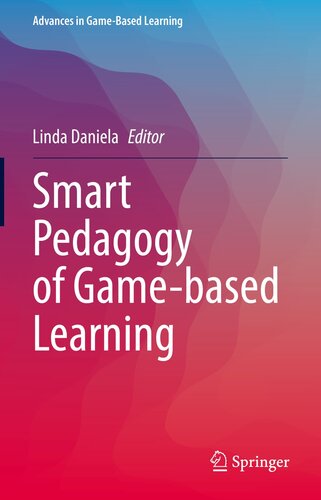
Smart Pedagogy of Game-based Learning
2021 · EPUB

New Perspectives on Virtual and Augmented Reality: Finding New Ways to Teach in a Transformed Learning Environment
2020 · PDF

Smart Learning with Educational Robotics: Using Robots to Scaffold Learning Outcomes
2019 · PDF

Didactics of Smart Pedagogy: Smart Pedagogy for Technology Enhanced Learning
2019 · PDF

MySQL® Notes for Professionals book
2018 · PDF

MrExcel 2022: Boosting Excel
2022 · PDF