Language Families of the World
Book information
Description
Language, in its seemingly infinite variety, tells us who we are and where we come from. Many linguists believe that all of the world’s languages—over 7,000 currently—emerged from a single, prehistoric source. While experts have not yet been able to reproduce this proto-language, most of the world’s current languages can be traced to various language families that have branched and divided, spreading across the globe with migrating humans and evolving over time. Professor Biography......Page 3 Typographical Conventions......Page 8 Course Scope......Page 9 Lecture 1—Why Are There So Many Languages?......Page 10 Theories on the Spread of Language......Page 11 The Morphing of Sounds......Page 12 The Language Family Tree......Page 13 Learning from the Language Families......Page 14 Lecture 2—The First Family Discovered: Indo-European......Page 15 The Discovery of Indo-European Languages......Page 16 Reconstruction of the Original Indo-European Language......Page 17 The Indo-European Language Today......Page 18 Lecture 3—Indo-European Languages in Europe......Page 19 The Germanic Languages......Page 20 The Romance Languages......Page 21 The Balto-Slavic Language Family......Page 22 Lecture 4—Indo-European Languages in Asia......Page 23 The Indo-Iranian Languages......Page 24 The Armenian Subfamily......Page 25 The Anatolian Languages......Page 26 Lecture 5—The Click Languages......Page 27 The Clicks......Page 28 Emergence of the Clicks......Page 29 The World’s First Languages?......Page 30 Lecture 6—Niger-Congo: Largest Family in Africa I......Page 32 Overview of Niger-Congo Languages......Page 33 Swahili......Page 34 The Bantu Subfamily......Page 35 Quiz for Lectures 1-6......Page 36 Lecture 7—Niger-Congo: Largest Family in Africa II......Page 38 The Fula Approach......Page 39 Other Elements of Niger-Congo Languages......Page 40 Lecture 8—Languages of the Fertile Crescent and Beyond I......Page 42 Arabic......Page 43 The First Alphabet......Page 44 Beyond Arabic and Hebrew......Page 45 Lecture 9—Languages of the Fertile Crescent and Beyond II......Page 46 The Hausa Language......Page 47 The Omotic and Cushitic Languages......Page 48 Lecture 10—Nilo-Saharan: Africa’s Hardest Languages?......Page 49 Overview of the Nilo-Saharan Languages......Page 50 Unique Features of Nilo-Saharan Languages......Page 51 Lecture 11—Is the Indo-European Family Alone in Europe?......Page 53 Estonian......Page 54 The Sami Languages......Page 55 Uralic Characteristics......Page 56 Lecture 12—How to Identify a Language Family......Page 57 Identifying a Family: Polynesian......Page 58 Identifying a Family: Indo-European......Page 59 Identifying a Family: Uralic......Page 61 Quiz for Lectures 7-12......Page 62 Lecture 13—What Is a Caucasian Language?......Page 64 The Three Families......Page 65 Complexity and Features......Page 66 Lecture 14—Indian Languages That Aren’t Indo-European......Page 67 History of the Dravidian Languages......Page 68 Dravidian Structure......Page 69 The Languages of the Andaman Islands......Page 70 Lecture 15—Languages of the Silk Road and Beyond......Page 72 Turkic Languages......Page 73 Mongolic Languages......Page 74 Tungusic Languages......Page 75 Lecture 16—Japanese and Korean: Alike yet Unrelated......Page 76 Japanese Writing......Page 77 Other Features of Japanese......Page 78 Korean Language Features......Page 79 Korean Writing......Page 80 Lecture 17—The Languages We Call Chinese......Page 81 Overview of the Chinese Languages......Page 82 Tones......Page 83 Numeral Classifiers......Page 84 Lecture 18—Chinese’s Family Circle: Sino-Tibetan......Page 85 Proto-Sino-Tibetan......Page 86 Tibetan......Page 87 The Nature of Grammar......Page 88 Quiz for Lectures 13-18......Page 90 Lecture 19—Southeast Asian Languages: The Sinosphere......Page 92 Overview......Page 93 The Hmong-Mien Family......Page 94 The Tai-Kadai Family......Page 95 Lecture 20—Languages of the South Seas I......Page 97 Overview of the Austronesian Family......Page 98 Origins......Page 99 Language Migration......Page 100 Lecture 21—Languages of the South Seas II......Page 102 The Polynesian Languages......Page 103 Oceanic Sounds......Page 104 Oceanic Language Components......Page 105 Lecture 22—Siberia and Beyond: Language Isolates......Page 107 Paleosiberian Overview......Page 108 Ainu......Page 109 Basque......Page 110 Etruscan......Page 111 Lecture 23—Creole Languages......Page 112 Tok Pisin......Page 113 French, Spanish, and Portuguese Creoles......Page 114 Complexity......Page 115 Lecture 24—Why Are There So Many Languages in New Guinea?......Page 116 Background on New Guinea......Page 117 Tracking Relationships......Page 118 Unusual Traits......Page 119 Quiz for Lectures 19-24......Page 120 Lecture 25—The Languages of Australia I......Page 122 Vocabulary in Alternate Situations......Page 123 Family Tree Fundamentals......Page 124 Australian Language Traits......Page 125 Lecture 26—The Languages of Australia II......Page 126 Unique Features......Page 127 Mixed Languages......Page 128 The Tasmanian Languages......Page 129 Lecture 27—The Original American Languages I......Page 130 Migration History......Page 131 The Amerind Controversy......Page 132 Na-Dene......Page 134 Lecture 28—The Original American Languages II......Page 135 Eskimo-Aleut......Page 136 Penutian......Page 137 Lecture 29—The Original American Languages III......Page 139 Iroquoian......Page 140 Hokan......Page 141 The Death of Language......Page 142 Lecture 30—The Original American Languages IV......Page 144 Whistled Speech......Page 145 South American Language Traits......Page 146 The Jarawara Language......Page 147 Quiz for Lectures 25-30......Page 148 Lecture 31—Languages Caught between Families......Page 150 Examples of Language Combinations......Page 151 English......Page 152 Speaking “In” Another Language......Page 153 Lecture 32—How Far Back Can We Trace Languages?......Page 154 An Attempt at Describing the World’s First Language......Page 155 The Nostratic Macrofamily Proposal......Page 156 The Tai-Kadai Family......Page 157 Lecture 33—What Do Genes Say about Language Families?......Page 158 Glottochronology......Page 159 Genetics and India......Page 160 Genetics and Family Clusters......Page 161 Genetics and Surprises......Page 162 Lecture 34—Language Families and Writing Systems......Page 164 Hieroglyphics......Page 165 Development of Alphabets......Page 166 Other Languages and Systems......Page 167 Quiz for Lectures 31-34......Page 168 Quiz Answers......Page 170 Bibliography......Page 176 Image Credits......Page 180
Similar books

Pronoun Trouble : The Story of Us in Seven Little Words
2025 · EPUB

Woke Racism: How a New Religion Has Betrayed Black America
2021 · AZW3

Winning the Race: Beyond the Crisis in Black America
2005 · EPUB

Understanding Linguistics: The Science of Language
2008 · PDF

Woke Racism: How a New Religion Has Betrayed Black America
2021 · PDF

Woke Racism: How a New Religion Has Betrayed Black America
2021 · EPUB
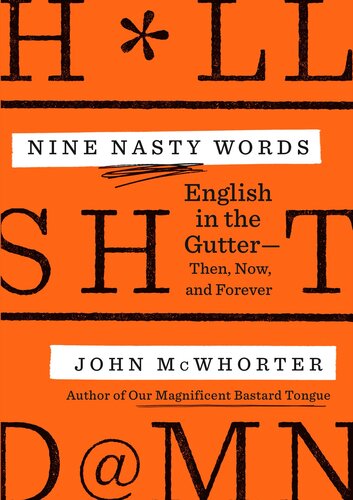
Nine Nasty Words: English in the Gutter: Then, Now, and Forever
2021 · EPUB
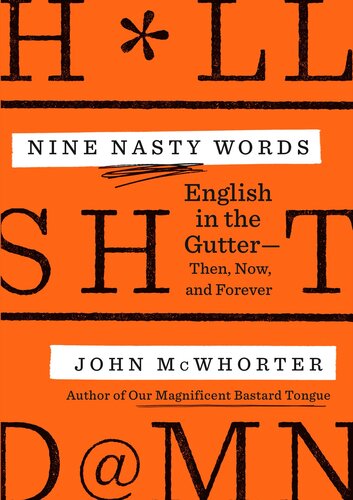
English in the Gutter: Then, Now, and Forever
2021 · EPUB