The Formation of Hanbalism: Piety into Power
Book information
Description
Ahmad Ibn Hanbal (d. 855) was the eponymous founder of a school of law, and an influential intellectual who led the Baghdadi masses during the Inquisition. Owing to his status as a jurist, to the religious ideas he propounded and to his model way of life, he is perceived as one of the pivotal figures in the history of Islam and a revered hero to this day. The ninth-century juror Ahmad Ibn Hanbal was a central figure in early Islam whose influence on succeeding generations is widely recognized. Drawing on historical anthropology and micro-history, this study moves beyond conventional biography to integrate the story of Ibn Hanbal's life with the main events during a crucial formative period in Islamic history. The main theme of this study is Ibn Hanbal's prestige, the disciples he drew to his study circle and the political power that evolved from it. It proposes new approaches and novel interpretations that call into question prevalent views about moral outlook, school formation and the dynamics of the Inquisition. In the inquiry into the formation of the Hanbali school of law, it takes into consideration a wide variety of issues such as jurisprudence, theology and social networks.
Similar books

Muhammad and the Supernatural: Medieval Arab Views
2013 · PDF

Recalling the Caliphate: Decolonisation and World Order
2014 · EPUB

The Formation of Hanbalism: Piety into Power
2002 · PDF

Recalling the Caliphate: Decolonisation and World Order
2014 · PDF
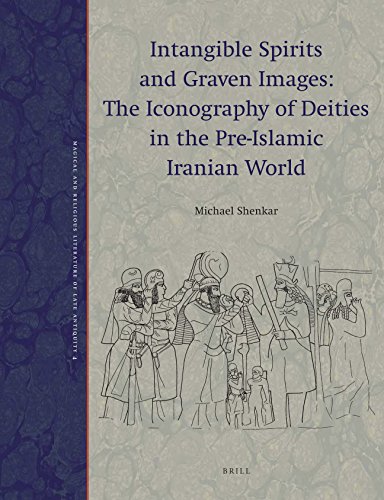
Intangible Spirits and Graven Images: The Iconography of Deities in the Pre-islamic Iranian World
2014 · PDF

Plane Answers to Complex Questions: The Theory of Linear Models
2010 · PDF

Visually Situated Language Comprehension
2016 · PDF
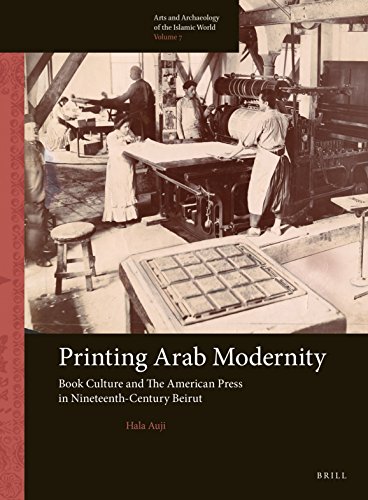
Printing Arab Modernity: Book Culture and the American Press in Nineteenth-Century Beirut
2016 · PDF