Ethical Traceability and Communicating Food
Book information
Description
Traceability – the ability to track a product from farm to plate – is now widely used in the food sector for a range of purposes: it allows companies to improve efficiency, facilitates product recall, and helps producers flag the specific characteristics of their goods. But traceability systems are mainly designed and used by the people directly involved in the food chain. The people at the end of the food chain – food consumers – have little say in which attributes are traced, and can rarely access the information stored in traceability systems. This book draws on philosophical discourses (like ethics, political philosophy and philosophy of law) around food ethics and empirical research in three important food chains (UK bread, Danish bacon and Greek olive oil) to argue that ethical traceability systems could be used to communicate food information to consumers, allowing them not only to make food choices consistent with their own values, but also to play a more informed role in the way food is produced and distributed. It will appeal to academics, students and policy makers with an interest in traceability, food ethics and food policy.
Similar books
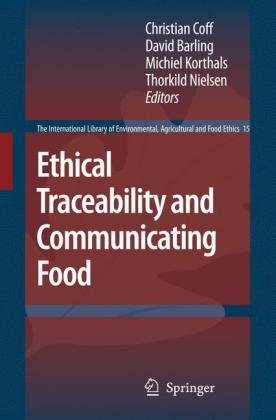
Ethical Traceability and Communicating Food
2008 · PDF
Ethical Traceability and Communicating Food
2008 · PDF

Goed leven als aardbewoners
EPUB

The Taste for Ethics: An Ethic of Food Consumption
2006 · PDF

Advances in Food Security and Sustainability
2018 · PDF

Philosophy of Development: Reconstructing the Foundations of Human Development and Education
1997 · PDF
Pragmatist Ethics for a Technological Culture
2002 · PDF
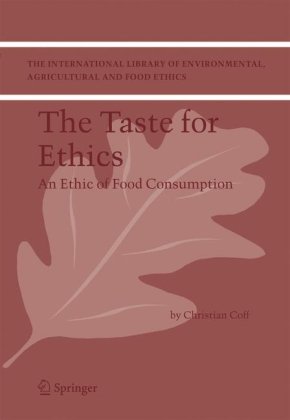
The Taste for Ethics: An Ethic of Food Consumption (The International Library of Environmental, Agricultural and Food Ethics)
2006 · PDF