After the Dream: Black and White Southerners since 1965 (Civil Rights and the Struggle for Black Equality in the Twentieth Century)
Book information
Description
Martin Luther King's 1965 address from Montgomery, Alabama, the center of much racial conflict at the time and the location of the well-publicized bus boycott a decade earlier, is often considered by historians to be the culmination of the civil rights era in American history. In his momentous speech, King declared that segregation was "on its deathbed" and that the movement had already achieved significant milestones. Although the civil rights movement had won many battles in the struggle for racial equality by the mid-1960s, including legislation to guarantee black voting rights and to desegregate public accommodations, the fight to implement the new laws was just starting. In reality, King's speech in Montgomery represented a new beginning rather than a conclusion to the movement, a fact that King acknowledged in the address.After the Dream: Black and White Southerners since 1965 begins where many histories of the civil rights movement end, with King's triumphant march from the iconic battleground of Selma to Montgomery. Timothy J. Minchin and John Salmond focus on events in the South following the passage of the 1964 Civil Rights Act and the 1965 Voting Rights Act. After the Dream examines the social, economic, and political implications of these laws in the decades following their passage, discussing the empowerment of black southerners, white resistance, accommodation and acceptance, and the nation's political will. The book also provides a fascinating history of the often-overlooked period of race relations during the presidential administrations of Ford, Carter, Reagan, and both George H. W. and George W. Bush. Ending with the election of President Barack Obama, this study will influence contemporary historiography on the civil rights movement.
Similar books

America's Other Automakers
2021 · EPUB
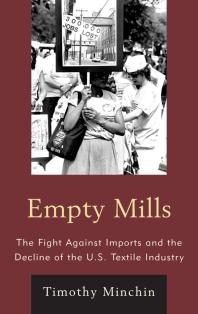
Empty Mills : The Fight Against Imports and the Decline of the U.S. Textile Industry
2012 · EPUB

Hiring the Black Worker: The Racial Integration of the Southern Textile Industry, 1960-1980
2013 · EPUB

Gastonia 1929: The Story of the Loray Mill Strike
1995 · EPUB

Labor Under Fire: A History of the AFL-CIO Since 1979
2017 · PDF

Labor Under Fire: A History of the AFL-CIO since 1979
2017 · EPUB

The Color of Work: The Struggle for Civil Rights in the Southern Paper Industry, 1945-1980
2001 · PDF

The conscience of a lawyer: Clifford J. Durr and American civil liberties, 1899-1975
1990 · EPUB