Emotions in Biblical Law: A Cognitive Science Approach
Book information
Description
This study pioneers the use of insights from cognitive sciences, such as evolutionary biology, neuroscience, and developmental psychology, as heuristic tools for interpreting ancient texts. The approach could be described as 'psycho-biological'. The focus is on emotions in the various Pentateuchal legal collections. Kazen discusses the role of disgust, empathy, fear, and a sense of justice, for particular moral and ritual issues: purity and holiness; humanitarian concern for vulnerable categories; ethnocentrism and xenophobia; divine punishment and demonic threat; revenge, compensation, and ransom (kofer), together with removal (kipper) rites. The book consists of two main parts, framed by an introductory chapter and a concluding discussion. In the first part, Kazen explores cognitive foundations, including biological and neuroscientific underpinnings for basic affects, and the role of culture in shaping both conventional morality and ritual behaviour. Four particular emotions are then outlined. In the second part, these insights from cognitive science are applied in analyses of particular texts. After an overview of the Pentateuchal legal collections, each of the four emotions is dealt with in a separate chapter. Kazen constantly relates a cognitive science approach to more traditional source and redaction-critical analysis, regarding them as complementary. As a result, the Pentateuchal legal collections are seen as emotional texts, expressing strong affects-which influences our understanding of the character of Israelite 'law'. Kazen suggests that interaction and conflict between various emotions can explain discrepancies and tensions between humanitarian concerns and ethnocentrism, and between empathy and justice. He also demonstrates that viewing emotions as common denominators contains a potential for solving some difficult and long-standing conundrums. He argues that a focus on the human embodied experience rather than on theological convictions and theoretical ideas may avoid some interpretative dead ends and open up new avenues for understanding ancient texts.
Similar books

Toward a Poetics of Genesis 1-11: Reading Genesis 4:17-22 in Its Ancient Near Eastern Context
2013 · PDF

Poetic Imagination in Proverbs: Variant Repetitions and the Nature of Poetry
2013 · PDF

Sacred Ritual: A Study of the West Semitic Ritual Calendars in Leviticus 23 and the Akkadian Text Emar 446
2014 · PDF
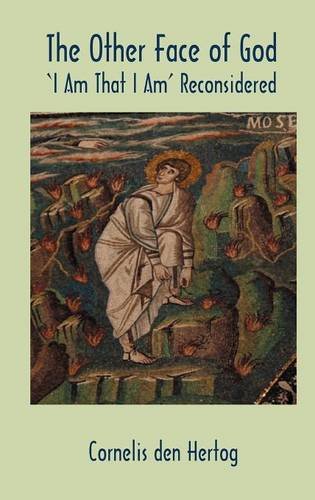
The Other Face of God: 'I Am That I Am' Reconsidered
2012 · PDF

Esther, Queen of the Jews: The Status and Position of Esther in the Old Testament
2013 · PDF

Die Geschichte von der Thronfolge Davids (2 Sam 9–20; 1 Kön 1–2): Untersuchungen zur Literarkritik und Tendenz
1998 · PDF

T&T Clark Companion to the Septuagint
2015 · PDF

Mishneh Todah: Studies in Deuteronomy and Its Cultural Environment in Honor of Jeffrey H. Tigay
2008 · PDF