Haggard hawks and paltry poltroons: the origins of English in ten words
Book information
Description
Cover; Title; Copyright; Acknowledgements; Contents; Introduction; I Ten Words Derived from Places in Britain; II Ten Words Derived from Places in France; III Ten Words Derived from Places in Ancient Greece; IV Ten Words Derived from Places in Europe; V Ten Words Derived from Places in America; VI Ten British Words Not Used in American English; VII Ten Words Borrowed from Unusual Languages; VIII Ten Words Invented by Shakespeare; IX Ten Words Invented by Other Writers; X Ten Words Derived from 'Head'; XI Ten Words Derived from 'Heart'; XII Ten Words Derived from 'Hand';What do the following ten words all have in common - haggard, mews, codger, arouse, musket, poltroon, gorge, allure, pounce and turn-tail? All fairly familiar and straightforward words, after a little digging into their histories it turns out that all of them derive from falconry: the adjective haggard described an adult falcon captured from the wild; mews were the enclosures hawks were kept in whilst moulting; codger is thought to come from 'cadger', the member of a hunting party who carried the birds' perches, and so on. This, essentially, is what Ten Words is all about.
Similar books

Hot for words: answers to all your burning questions about words and their meanings
2009 · EPUB
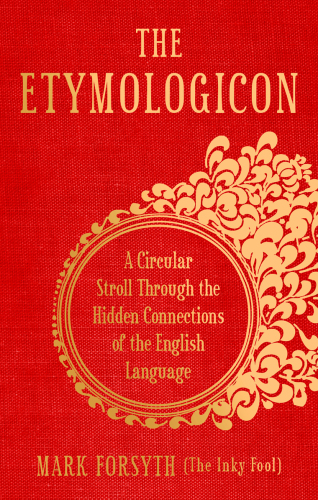
The Etymologicon: a Circular Stroll through the Hidden Connections of the English Language
2011 · EPUB

WORD DROPS: a sprinkling of linguistic curiosities
2015 · EPUB

The Cabinet of Linguistic Curiosities: a Yearbook of Forgotten Words
2017 · EPUB

The Accidental Dictionary
2016 · EPUB

Middle Management 101: Zen in the Art of Middle Management
2016 · EPUB

Blockchain Secrets: Discover What Blockchain is and the Secrets Behind Blockchain Technology
2020 · EPUB

Inside British Prisons: The must read guide to doing time for defendants, prisoners, family and friends
2020 · AZW