The Story of N: A Social History of the Nitrogen Cycle and the Challenge of Sustainability
Book information
Description
In The Story of N, Hugh S. Gorman analyzes the notion of sustainability from a fresh perspective—the integration of human activities with the biogeochemical cycling of nitrogen—and provides a supportive alternative to studying sustainability through the lens of climate change and the cycling of carbon. It is the first book to examine the social processes by which industrial societies learned to bypass a fundamental ecological limit and, later, began addressing the resulting concerns by establishing limits of their own The book is organized into three parts. Part I, “The Knowledge of Nature,” explores the emergence of the nitrogen cycle before humans arrived on the scene and the changes that occurred as stationary agricultural societies took root. Part II, “Learning to Bypass an Ecological Limit,” examines the role of science and market capitalism in accelerating the pace of innovation, eventually allowing humans to bypass the activity of nitrogen-fixing bacteria. Part III, “Learning to Establish Human-Defined Limits,” covers the twentieth-century response to the nitrogen-related concerns that emerged as more nitrogenous compounds flowed into the environment. A concluding chapter, “The Challenge of Sustainability,” places the entire story in the context of constructing an ecological economy in which innovations that contribute to sustainable practices are rewarded. Introduction..............1 Part I The Knowledge of Nature
..............9 Chapter 1 The Emergence of a Biogeochemical Cycle
..............11 Chapter 2 From Adaptation to Innovation
..............22 Part II Learning to Bypass an Ecological Limit
..............31 Chapter 3 Innovation within an Ecological Liimit
..............33 Chapter 4 N and the Emergence of Market Capitalism
..............42 Chapter 5 N and the Rise of Science
..............52
Similar books

Cox and Bok's Labor Law (University Casebook Series)
2016 · PDF

Flora of Australia
1999 · PDF

Solar Power for Beginners: A Comprehensive Beginner's Guide to Setup and Install Solar Power System Easily and Effectively at Home
2020 · EPUB

Woodpeckers of the world: the complete guide
2014 · PDF
Beginning Oracle SQL: for Oracle Database 12c
2014 · PDF

PRACTICAL ENTITY FRAMEWORK : database access for enterprise applications.
2020 · PDF

How You Can Identify Turning Points Using Fibonacci
2008 · MOBI
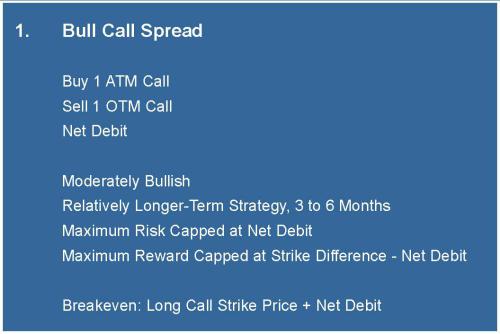
How To Use The Elliott Wave Principle To Improve Your Options Trading Strategies: Volume 1: Vertical Spreads
2008 · MOBI