Post-war Japan as a Sea Power: Imperial Legacy, Wartime Experience and the Making of a Navy
Book information
Description
In Post-war Japan as a Sea Power, Alessio Patalano incorporates new, exclusive source material to develop an innovative approach to the study of post-war Japan as a military power. This archival-based history of Asia's most advanced navy, the Japanese Maritime Self-Defence Force (JMSDF), looks beyond the traditional perspective of viewing the modern Japanese military in light of the country's alliance with the US. The book places the institution in a historical context, analysing its imperial legacy and the role of Japan's shattering defeat in WWII in the post-war emergence of Japan as East Asia's ‘sea power’. Cover Half-title Title Copyright Dedication Contents Abbreviations and Acronyms JMSDF Ship Classification Figures, Maps and Photos Conventions Acknowledgements 1 Japanese Sea Power: From Kaigun to Kaiji Re-enacting the past The navy and Japan: Explaining the core argument The navy and its history: Uncovering new source materials The useful history: The three themes of the book The layers of the cake: The book’s structure 2 Ethos and Traditions: The Navy of Imperial Japan The drive for ‘a strong bond of fellowship’ Reinventing the regional maritime heritage Shaping the Wakon (Japanese) spirit Integrating the effectiveness of Yōsai (Western knowledge) Conclusions: The navy of Imperial Japan 3 History and Memory: The Imperial Navy of the Post-war Era Japan’s ‘long and revered naval tradition’ ‘Mr Ito’, the reporter of naval affairs Reviewing the wartime experience Debating military identity and traditions War writing as a ‘personal affair’ A navy with a human face Agawa Noyuki and the navies of past and present Conclusions 4 Experience and Legacy: The Education of a New Navy Japan’s self-righteous and traditional sailors The past as prologue: An academy for gentlemen-officers The making of a naval officer: Education, training and the spirit of Etajima The past as prologue – part 2: Thinking critically about the Imperial Navy Conclusions 5 Ethos and Propaganda: Ships, Men and the Image of the Naval Profession The image of a navy made of ships and men In which we serve: Ships, fleet reviews and the navy’s public appeal Beyond the ship: The Public Affairs Office Admiral Furushō and the navy of traditions Explaining men and traditions: Museums and more Conclusions 6 Strategy and Policy: The ‘Sea Power’ of the Pacific Naval strategy, the Corbett way Shattered trident Naval policy and national security The strategy of a ‘trading nation’ The challenges ahead: Evolving fleet, evolving enemy Sea control and alliance requirements Post-Cold War transition Conclusions 7 Doctrine and Capabilities: The Quest for a Balanced Fleet Smaller navy, similar grammar ‘Big ships, big guns’ New name, same people, different anatomy The foundations of doctrine: A well-ordered and unified navy Setting the navy on course: Fighting power and readiness with a strong spirit Testing the navy: The US–Japan alliance and beyond A new sword: Building a balanced fleet Conclusions 8 Conclusions: The Past and the Future History and the making of the Japanese navy Becoming the ‘senior service’: Japanese sea power as a national strategy Taking the Imperial Naval experience forward: A different navy altogether Looking ahead Notes Bibliography Index
Similar books

The Sea and the Second World War: Maritime Aspects of a Global Conflic
2019 · PDF
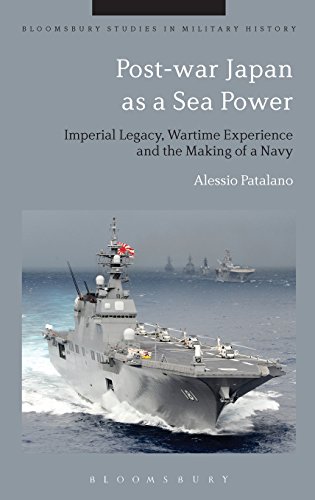
Post-war Japan as a Sea Power: Imperial Legacy, Wartime Experience and the Making of a Navy
2015 · PDF

MySQL® Notes for Professionals book
2018 · PDF

MrExcel 2022: Boosting Excel
2022 · PDF

MrExcel 2022: Boosting Excel
2022 · PDF

Session C11: Ancient Cultural Landscapes in South Europe – their Ecological Setting and Evolution, Session C22: Gardeners from South America, Session S04: Agro-Pastoralism and Early Metallurgy Sessions, Session WS29: The Idea of Enclosure in Recent Iberian Prehistory, Session C88: Rhytmes et causalites des dynamiques de l'anthropisation en Europe entre 6500 ET 500 BC: Hypotheses socio-culturelles et/ou climatiques: Proceedings of the XV UISPP World Congress (Lisbon 4-9 September 2006) / Actes du XV Congrès Mondial (Lisbonne 4-9 Septembre 2006) Vol.36
2010 · PDF

THE BRITISH ARMY IN INDIA: ITS PRESERVATION BY AN APPROPRIATE CLOTHING, HOUSING, LOCATING, RECREATIVE EMPLOYMENT, AND HOPEFUL ENCOURAGEMENT OF THE TROOPS. with AN APPENDIX ON INDIA : THE CLIMATE OP ITS HILLS ; THE DEVELOPMENT OF ITS RESODRCBS, INDUSTRY, AND ARTS ; THE ADMINISTRATION OF JUSTICE ; THE BLACK ACT ; THE PROGRESS OF CHRISTIANITY ; THE TRAFFIC IN OPIUM ; THE VALUE OF INDIA ; PERMANENT CAUSES OF DISAFFECTION, AND OF THE RECENT REBELLION ; THE TRADITIONARY POLICY; MISGOVERNMENT BY NATIVE RULERS ; ANNEXATIONS OF THEIR TERRITORY, ETC.
1858 · PDF

Idries Shah 27 Books Collection : A Perfumed Scorpion, A Veiled Gazelle, Caravan of Dreams, Darkest England, Destination Mecca, Evenings with Idries Shah, Knowing How to Know, Learning How to Learn, Letters and Lectures of Idries Shah, Neglected aspects of Sufi study, Observations, Oriental Magic, Reflections, Seeker after Truth, Special Illumination, Special Problems in the study of Sufi ideas, Sufi thought and action, Tales of the Dervishes, The Dermis Probe, The Elephant in the Dark, The Englishman Handbook, Idries Shah Antology, The Magic Monastery, The natives are restless, wisdom of the Idiots PDF.
2022 · PDF