Militarization and the Global Rise of Paramilitary Culture: Post-Heroic Reimaginings of the Warrior
Book information
Description
This edited book demonstrates a new multidimensional comprehension of the relationship between war, the military and civil society by exploring the global rise of paramilitary culture. Moving beyond binary understandings that inform the militarization of culture thesis and examining various national and cultural contexts, the collection outlines ways in which a process of paramilitarization is shaping the world through the promotion of new warrior archetypes. It is argued that while the paramilitary hero is associated with military themes, their character is in tension with the central principals of modern military organization, something that often challenges the state’s perceived monopoly on violence. As such paramilitization has profound implications for institutional military identity, the influence of paramilitary organizations and broadly how organised violence is popularly understood Contents 1 Militarization and the Paramilitarization of Culture: Accounting for New Civil–Military Complexity 1.1 De-Militarized Cultural Analysis 1.2 Militarization 1.3 Paramilitarization 1.4 Militarization and Paramilitarization in Context References Part I Military Performance 2 Clausewitz and Military Politics: Theoretical Reflections on a Strong Program Approach to War and the Military 2.1 How Militaries Influence Societies 2.2 How Societies Influence Militaries 2.3 A Clausewitzian Foundation for the Sociology of War 2.4 Military Politics: The Strong Program Approach 2.5 Conclusions References 3 Recasting the Warrior: The Victoria Cross for Australia and Contemporary Civil–Military Relations 3.1 Introduction 3.2 Australian Civil–Military Relations 3.3 Projecting Recipients 3.3.1 Simultaneous Conceptualisation 3.3.2 Altruism 3.3.3 History 3.3.4 Civil–Military Gap 3.4 Conclusions References Part II Paramilitary Gaze 4 Homegrown Heroes and New War Warriors: Post-9/11 Depictions of Warfare in Call of Duty 4.1 Past 4.2 Present 4.3 Future 4.4 Conclusion References 5 Turkish Desecularisation and Reimagining the Warrior at Çanakkale (Gallipoli): A Social Performance Analysis of the 57th Regiment Re-Enactment March 5.1 Islamist Çanakkale Narratives: Then and Now 5.2 March for the 57th Regiment 5.3 Petite Narratives and Islamic National Commemoration References Part III Paramilitary Group Frames 6 Radicalisation and Paramilitary Culture: The Case of Wanndy’s Telegram Groups in Malaysia 6.1 Introduction 6.2 Background 6.3 Radicalisation and Paramilitary Culture 6.4 Telegram: A Convenient Eco-System for Radicalisation 6.4.1 Wanndy: The Administrator of Telegram Groups 6.4.2 Wanndy’s Telegram Groups 6.4.3 Radicalisation and Exposure to Paramilitary Culture 6.5 Conclusion References 7 Re-Narrating Militarisms in the Colombian Conflict: Medellín’s Museo Casa de la Memoria 7.1 Cultural Militarism and Narrative Resistance 7.2 Re-Narrating the Colombia Conflict Through the Exhibit Medellín: Violence and Resistance Memories 7.2.1 Museum Casa de la Memoria 7.2.2 Medellín: Violence and Resistance Memories 7.2.3 The Exhibit 7.2.4 Framing the War 7.2.5 Empathy and the Local Voice 7.3 Conclusions: Towards a Local–National Re-Narration of Colombia’s Armed Conflict References Part IV Overcoding Paramilitarization 8 Ritual and Recovery Outside of Regiment: Performing Arts in a University-Based Adjunct Wellbeing Program for Injured Soldiers 8.1 Deploying Arts 8.2 The Challenge of Injuries Outside of Deployment 8.3 Constructing Self@arts 8.4 Ritual Transformations 8.5 Conclusions References 9 Epimilitary Culture: Vietnamese-American Literature and the Alternative to Paramilitary Culture 9.1 Introduction 9.2 The Demilitarization of War in Popular Culture 9.3 The Notion of War in Vietnamese-American Scholarship 9.4 New War Stories and True War Stories 9.5 Epimilitary Culture in Vietnamese-American Literature 9.5.1 Vietnamese-American Literature as War Literature 9.5.2 An Expanded Concept of War and the Decentering of the Military 9.6 The Principle Differences Between Paramilitary and Epimilitary Culture 9.6.1 Traits of the Central Characters 9.6.2 Nature of Depicted Violence 9.6.3 Manner of Narrative Resolution 9.7 Conclusion References
Similar books

Finding Gallipoli: Battlefield Remembrance and the Movement of Australian and Turkish History
2022 · EPUB

War Memory and Commemoration
2016 · EPUB

Finding Gallipoli: Battlefield Remembrance and the Movement of Australian and Turkish History
2022 · PDF
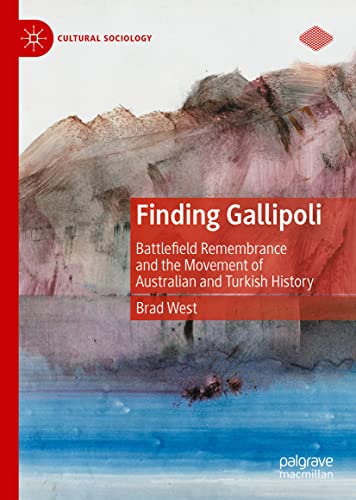
Finding Gallipoli: Battlefield Remembrance and the Movement of Australian and Turkish History
2022 · PDF

The Sociology of Privatized Security
2019 · PDF

MySQL® Notes for Professionals book
2018 · PDF

MrExcel 2022: Boosting Excel
2022 · PDF

MrExcel 2022: Boosting Excel
2022 · PDF