Moral Psychology: A Contemporary Introduction
Book information
Description
Released in 2014, this was the first philosophy textbook in moral psychology, introducing students to a range of philosophical topics and debates such as: what is moral motivation? Do reasons for action always depend on desires? Is emotion or reason at the heart of moral judgment? Under what conditions are people morally responsible? Are there self-interested reasons for people to be moral? The Second Edition of Moral Psychology: A Contemporary Introduction, updates its responses to these questions, taking advantage of the explosion of recent research from philosophers and psychologists on these topics, and adding a chapter on the question of whether morality is innate or learned. As before, the book emphasizes the relationship between traditional and interdisciplinary approaches to moral psychology and aims to carefully explain how empirical research is (or is not) relevant to philosophical inquiry. The bulleted summaries, study questions, and lists for further readings at the end of each chapter have been updated. Key Updates to the Second Edition Includes a new opening section on human nature, borrowing material from elsewhere in the book Adds a new chapter on evolutionary and developmental arguments for the innateness of morality Expands coverage of the challenges to psychological research, including the replication crisis and the WEIRDness challenge Provides a new section on implicit bias and moral responsibility Offers enhanced clarity and accessibility throughout Includes up-to-date further reading sections and bibliography Cover Endorsements Half Title Series Page Title Page Copyright Page Contents Preface to the First Edition Preface to the Second Edition A Note about Pronouns Acknowledgements 1. Introduction: What Is Moral Psychology? Questions and Methods How Are Psychology and Ethics Related? Structure and Aims of the Book Summary Notes Further Readings Part I: Human Nature: What Are We Like and What Does It Matter? 2. The Starting Points of Morality Drafts, Starting Points, and Taste Buds What's the Evidence? What's in the Draft? What Does It Mean for Ethics? Taking Stock Summary Notes Further Reading 3. Moral Motivation and Selfishness Moral Theories and Moral Motivation The Challenge of Psychological Egoism Psychological Egoism and Empirical Research Taking Stock Summary Notes Further Readings 4. Why Be Moral?: Moral Reasons and Well-Being Prudential Reasons and "Good For" Theories of Well-Being Psychological Evidence for the Well-Being-Morality Link Taking Stock Summary Notes Further Readings Part II: Moral Motivation and Moral Judgment 5. Desires and Reasons Background and Overview Reasons Internalism and Externalism The Humean Theory of Motivation Taking Stock Summary Notes Further Readings 6. Emotion and Moral Judgment What Is an Emotion? Emotions and Moral Judgment Amoralists, Psychopaths, and the Debate between Moral Judgment Internalism and Externalism Taking Stock Summary Notes Further Readings 7. Sentimentalism and Rationalism Rationalism and Sophisticated Sentimentalism The Kantian Challenge to Sophisticated Sentimentalism The Empirical Threat to Rationalism Taking Stock Summary Notes Further Readings 8. Brains, Biases, and Trolleys The Attack on Intuitions: Biases and Trolleyology Intuitions, Intuitionism, and Reflective Equilibrium Taking Stock Summary Notes Further Readings 9. Virtue What Kind of State Is a Virtue? Should We Aspire to Virtue? The Empirical Challenge Defending Virtue Taking Stock Summary Notes Further Readings Part III: Agency and Moral Responsibility 10. The Psychology of the Responsible Agent Holding People Responsible Methodology Self-expression Theories Reasons-Responsiveness Theories Are We Responsible? Challenges from Psychology A Case Study: Implicit Bias Taking Stock Summary Notes Further Readings 11. Moral Responsibility, Free Will, and Determinism Free Will and Determinism Intuitions and Experimental Philosophy Two Kinds of Incompatibilism The Challenge from Neuroscience Can I Be Excused? Taking Stock Summary Notes Further Readings 12. Conclusion Is and Ought Lessons from Moral Psychology Summary Notes Glossary of Theories and Technical Terms Bibliography Index
Similar books

The Reflective Life: Living Wisely With Our Limits
2008 · PDF

The Reflective Life: Living Wisely With Our Limits
2008 · EPUB

What Do You Want Out of Life?: A Philosophical Guide to Figuring Out What Matters

What Do You Want Out of Life?: A Philosophical Guide to Figuring Out What Matters
2023 · PDF

What Do You Want Out of Life?
2022 · EPUB
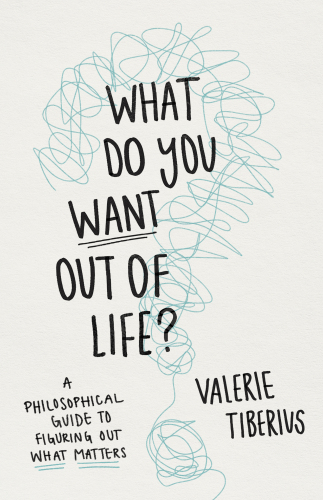
What Do You Want Out of Life?: A Philosophical Guide to Figuring Out What Matters
2023 · EPUB

Well-Being as Value Fulfillment: How We Can Help Each Other to Live Well
2018 · PDF

Moral Psychology: A Contemporary Introduction
2014 · PDF