Аrt of the islamic world-2012
Book information
Description
The birth of Islam is marked by the first revelation conveyed to the ProphetMuhammad by God (in Arabic, Allah), which occurred in the seventhcentury near the city of Mecca on the Arabian Peninsula. Islam emerged ina polytheistic environment; although there were notable Jewish andChristian communities, most people living on the Arabian Peninsulabelieved in multiple gods. In contrast, the fundamental tenet of Islam wasmonotheism—the belief in one God alone. What began as a religiousmovement soon took on a political dimension and Islam spread quicklythroughout the Middle and Near East. The fall of the Sasanian empire inPersia and Byzantium’s weakening control of its eastern territories in theseventh century provided fertile ground for this expansion, and withina hundred years of the Prophet’s death the new leaders of the Islamiccommunity (umma), the caliphs, controlled lands reaching from Spain topresent-day Pakistan. The spread of the faith stimulated new architectureand the production of other arts in territories with rich and well-establishedcultural and artistic traditions. Mosques were built for growing Muslimcommunities and religious texts about Islamic belief and practice werewritten and decorated. Works that functioned in or responded to Islamicreligious life continued to be produced over the centuries in every region inwhich Islam is practiced. This unit examines such works and provides anintroduction to the beliefs and early history of Islam.
Similar books
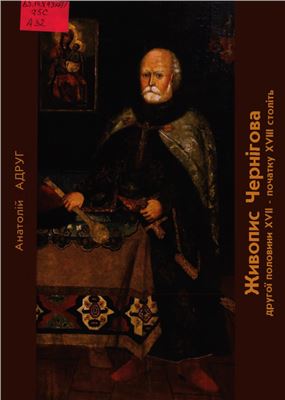
Живопис Чернігова другої половини XVII - початку XVIII століть

Искусство Востока. Индия
DJVU

Древнерусское искусство
DJVU

Древнерусское искусство. Рукописная книга (сборник III)
DJVU

Киевская Псалтирь 1397 года
DJVU
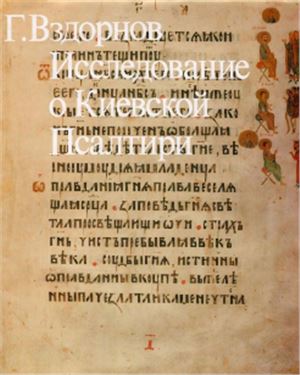
Исследование о Киевской Псалтири

Korean Art: From the Brooklyn Museum Collection
