Ekphrastic Image-making in Early Modern Europe, 1500–1700
Book information
Description
In epideictic oratory, ekphrasis is typically identified as an advanced rhetorical exercise that verbally reproduces the experience of viewing a person, place, or thing; more specifically, it often purports to replicate the experience of viewing a work of art. Not only what was seen, but also how it was beheld, and the emotions attendant upon first viewing it, are implicitly construed as recoverable, indeed reproducible. This volume examines how and why many early modern pictures operate in an ekphrastic mode: such pictures claim to reconstitute works of art that solely survived in the textual form of an ekphrasis; or they invite the beholder to respond to a picture in the way s/he responds to a stirring verbal image; or they call attention to their status as an image, in the way that ekphrasis, as a rhetorical figure, makes one conscious of the process of image-making; or finally, they foreground the artist’s or the viewer’s agency, in the way that the rhetor or auditor is adduced as agent of the image being verbally produced.
Similar books

Magnificence in the Seventeenth Century Performing Splendour in Catholic and Protestant Contexts
2020 · PDF

Maarten van Heemskerck's Rome: Antiquity, Memory, and the Cult of Ruins
2019 · PDF

Space, Image, and Reform in Early Modern Art: The Influence of Marcia Hall
2021 · PDF
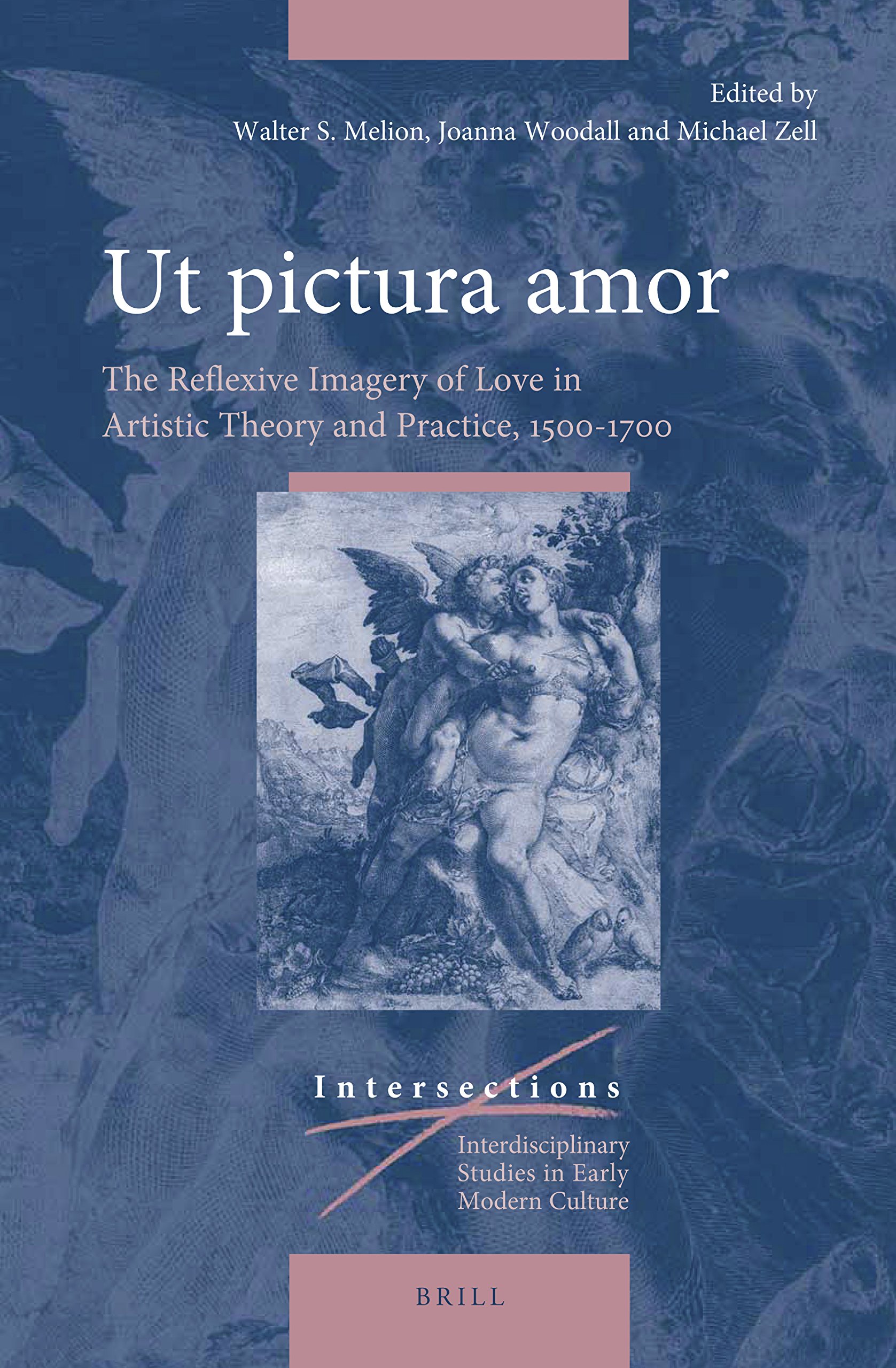
Ut pictura amor: The Reflexive Imagery of Love in Artistic Theory and Practice, 1500-1700
2017 · PDF

Personification: Embodying Meaning and Emotion
2016 · PDF

The Anthropomorphic Lens: Anthropomorphism, Microcosmism and Analogy in Early Modern Thought and Visual Arts
2014 · PDF
Meditatio - Refashioning the Self
2010 · PDF

Image and Incarnation: The Early Modern Doctrine of the Pictorial Image
2015 · PDF