The Chemical Weapons Taboo
Book information
Description
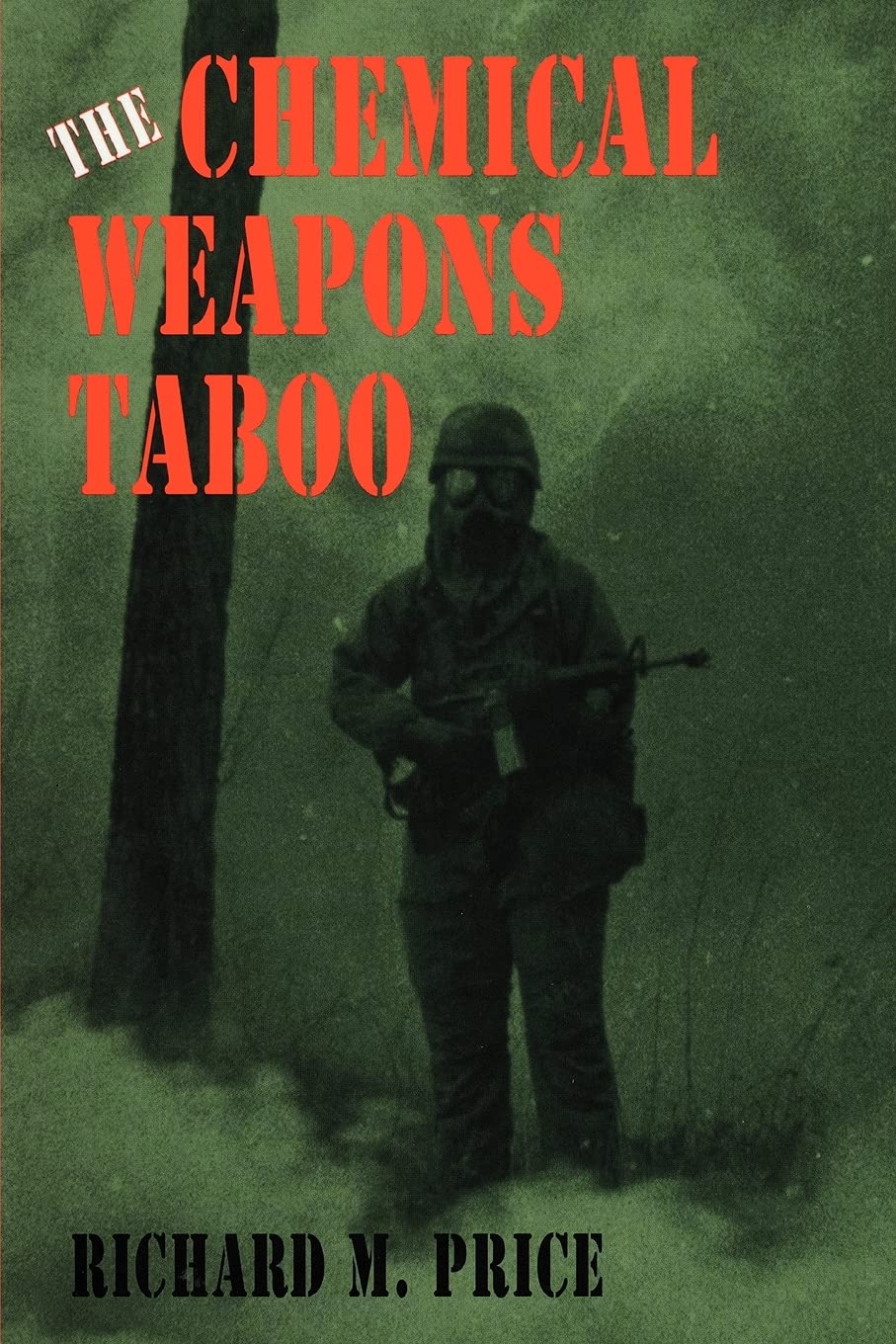
Richard M. Price asks why, among all the ominous technologies of weaponry throughout the history of warfare, chemical weapons carry a special moral stigma. Something more seems to be at work than the predictable resistance people have expressed to any new weaponry, from the crossbow to nuclear bombs. Perceptions of chemical warfare as particularly abhorrent have been successfully institutionalized in international proscriptions and, Price suggests, understanding the sources of this success might shed light on other efforts at arms control.To explore the origins and meaning of the chemical weapons taboo, Price presents a series of case studies from World War I through the Gulf War of 1990–1991. He traces the moral arguments against gas warfare from the Hague Conferences at the turn of the century through negotiations for the Chemical Weapons Convention of 1993. From the Italian invasion of Ethiopia to the war between Iran and Iraq, chemical weapons have been condemned as the "poor man's bomb." Drawing upon insights from Michel Foucault to explain the role of moral norms in an international arena rarely sensitive to such pressures, he focuses on the construction of and mutations in the refusal to condone chemical weapons.
Similar books
The Chemical Weapons Taboo
2007 · PDF

History and Hagiography from the Late Antique Sinai
2010 · PDF

The United Nations and Global Security
2004 · PDF

The United Nations and Global Security
2004 · PDF

Moral limit & possibility in world politics
2008 · PDF

MySQL® Notes for Professionals book
2018 · PDF

MrExcel 2022: Boosting Excel
2022 · PDF

MrExcel 2022: Boosting Excel
2022 · PDF