Why art cannot be taught: a handbook for art students
Book information
Description
In this smart survival guide for students and teachers--the only book of its kind--James Elkins examines the "curious endeavor to teach the unteachable" that is generally known as college-level art instruction. This singular project is organized around a series of conflicting claims about art:"Art can be taught, but nobody knows quite how." "Art can be taught, but it seems as if it can't be since so few students become outstanding artists." "Art cannot be taught, but it can be fostered or helped along." "Art cannot be taught or even nourished, but it is possible to teach right up to the beginnings of art so that students are ready to make art the moment they graduate." "Great art cannot be taught, but more run-of-the-mill art can be." Elkins traces the development (or invention) of the modern art school and considers how issues such as the question of core curriculum and the intellectual isolation of art schools affect the teaching and learning of art. He also addresses the phenomenon of art critiques as a microcosm for teaching art as a whole and dissects real-life critiques, highlighting presuppositions and dynamics that make them confusing and suggesting ways to make them more helpful. Elkins's no-nonsense approach clears away the assumptions about art instruction that are not borne out by classroom practice. For example, he notes that despite much talk about instilling visual acuity and teaching technique, in practice neither teachers nor students behave as if those were their principal goals. He addresses the absurdity of pretending that sexual issues are absent from life-drawing classes and questions the practice of holding up great masters and masterpieces as models for students capable of producing only mediocre art. He also discusses types of art--including art that takes time to complete and art that isn't serious--that cannot be learned in studio art classes. Why Art Cannot Be Taught is a response to Elkins's observation that "we know very little about what we do" in the art classroom. His incisive commentary illuminates the experience of learning art for those involved in it, while opening an intriguing window for those outside the discipline. - Publisher. 1. Histories -- 2. Conversations -- 3. Theories -- 4. Critiques -- 5. Suggestions.
Similar books

Stories of art
2015 · PDF
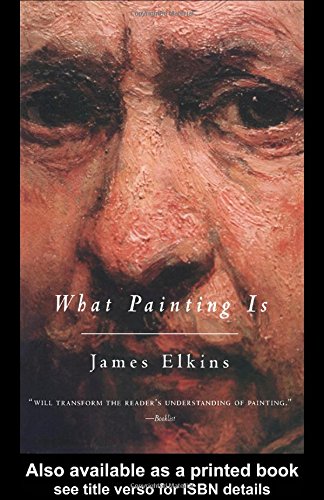
What painting is : how to think about oil painting, using the language of alchemy
1999 · PDF

EXCEL 2020 FOR BEGINNERS: LEARN EXCEL 365 FROM BASIC TO ADVANCED WITH STEP BY STEP GRAPHIC ILLUSTRATIONS (FUNCTIONS AND FORMULAS INCLUSIVE)
2020 · EPUB
AUDIOPHILE HANDBOOK: Your Perfect High-End System
2016 · AZW
Christmas Cookbook Yummy Christmas Recipes: Mouthwatering Recipes to Share Sweetness With Family and Friends During The Holidays
2020 · AZW

Diabetic Meal Prep For Beginners: The Best Way To Reverse Diabetes With Simple And Healthy Recipes a 28-Day Food Plan To Better Manage Your Issues And Return To Great Eating Habit.
2020 · AZW

BUILDING YOUR EXTREME GAMING PC: The Master Guide To Building And Assembling Your Gaming PC With Detailed Guidelines
2020 · AZW
THE BEGINNER'S GUIDE TO GARDENING: THE MASTER GUIDE TO GET TO KNOW ALL YOU NEED TO KNOW ABOUT GARDENING
2020 · AZW