Roma in the Medieval Islamic World: Literacy, Culture, and Migration
Book information
Description
In Middle Eastern cities as early as the mid-8th century, the Sons of Sasan begged, trained animals, sold medicinal plants and potions, and told fortunes. They captivated the imagination of Arab writers and playwrights, who immortalized their strange ways in poems, plays, and the Thousand and One Nights. Using a wide range of sources, Richardson investigates the lived experiences of these Sons of Sasan, who changed their name to Ghuraba' (Strangers) by the late 1200s. This name became the Arabic word for the Roma and Roma-affiliated groups also known under the pejorative term 'Gypsies'. This book uses mostly Ghuraba'-authored works to understand their tribal organization and professional niches as well as providing a glossary of their language Sin. It also examines the urban homes, neighborhoods, and cemeteries that they constructed. Within these isolated communities they developed and nurtured a deep literary culture and astrological tradition, broadening our appreciation of the cultural contributions of medieval minority communities. Remarkably, the Ghuraba' began blockprinting textual amulets by the 10th century, centuries before printing on paper arrived in central Europe. When Roma tribes migrated from Ottoman territories into Bavaria and Bohemia in the 1410s, they may have carried this printing technology into the Holy Roman Empire. Half Title Title Page Copyright Page Contents Illustrations Figures Tables Acknowledgments Abbreviations Introduction: how the Ghurabā’ Fell Out of History Genetic Purity and Languages Orientalist Discourses on Sīn-Speakers Unthinkability Constructing a Roma Racial Subject in Modern Europe Conclusion Chapter 1: The Roma, Banū Sāsān, and the Ghurabā’ Who Were the Banū Sāsān? Tribal Nomenclature Ancestral Tribal Leader Professional Subtribes Renaming the Banū Sāsān to Ghurabā’ Late Sixteenth-Century Ottoman Aleppo: Private Journal Premodern Romani History Chapter 2: Sīn: The Language of the Banū Sāsān and the Ghurabā’ Buyid Iraq and Iran: Two Qaṣīdas Buyid Iran and Abbasid Iraq: Maqāmāt Artuqid Mosul: Didactic Prose Mamluk Cairo: Shadow Theater A Qaṣīda in Artuqid Mardin Additional Sīn Sources Sīm and Sīn in the Modern Era Conclusion: Literary and Historical Implications Chapter 3: Gharīb Literary Cultures in Mamluk Cairo Gharīb Oral Culture Maqāmāt Illustrations Bāb al-Lūq, a Gharīb Neighborhood in Mamluk Cairo Ibrāhīm al-Miʿmār, a Gharīb Poet Conclusion Chapter 4: Housing, Neighborhoods, and Cemeteries of Urban Ghurabā’ Maṣṭaba Housing Historical Implications Ghurabā’ Quarters and Cemeteries Damascus Ghurabā’ Quarter Cemeteries Aleppo Ghajar and Ghurabā’ in Aleppo Fez Andalusian Cities Conclusion Chapter 5: Bulhāns: Illustrated Shiʿi Astrological Books Uses of the Bulhān Translations and Adaptations Conclusion Chapter 6: A New Narrative of Premodern Afro-Eurasian Printing Johann Gutenberg Pre-1500 Blockprinting in East and Central Asia Printing Paper Money and Striking Coins West Asian Printing as a Minority Enterprise Ghurabā’ Printing Printing Ink ṭarsh of Tin Knowledge Classification Chapter 7: Ghurabā’ Astrologers and Print in Fifteenth-Century Central Europe Epilogue Appendix 1: Glossary of Premodern Sīn Appendix 2: Tarot Cards, Treasure-Hunting Manuals, and Books of Shadow Plays Notes Introduction Chapter 1 Chapter 2 Chapter 3 Chapter 4 Chapter 5 Chapter 6 Chapter 7 Epilogue Appendix 1 Appendix 2 Bibliography Unpublished Sources Published Primary Sources Modern Studies Index
Similar books

Difference and Disability in the Medieval Islamic World: Blighted Bodies
2012 · PDF

Roma in the Medieval Islamic World: Literacy, Culture, and Migration
2022 · PDF

Roma in the Medieval Islamic World
2021 · EPUB
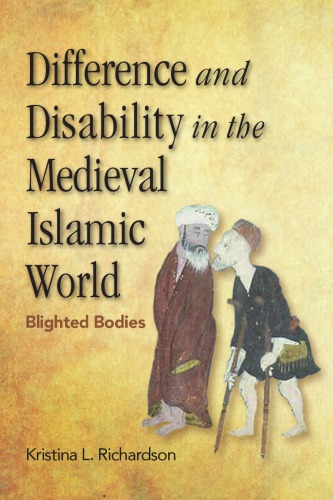
Difference and Disability in the Medieval Islamic World: Blighted Bodies
2012 · PDF

MySQL® Notes for Professionals book
2018 · PDF

MrExcel 2022: Boosting Excel
2022 · PDF

MrExcel 2022: Boosting Excel
2022 · PDF

Session C11: Ancient Cultural Landscapes in South Europe – their Ecological Setting and Evolution, Session C22: Gardeners from South America, Session S04: Agro-Pastoralism and Early Metallurgy Sessions, Session WS29: The Idea of Enclosure in Recent Iberian Prehistory, Session C88: Rhytmes et causalites des dynamiques de l'anthropisation en Europe entre 6500 ET 500 BC: Hypotheses socio-culturelles et/ou climatiques: Proceedings of the XV UISPP World Congress (Lisbon 4-9 September 2006) / Actes du XV Congrès Mondial (Lisbonne 4-9 Septembre 2006) Vol.36
2010 · PDF