Myth of Liberal Ascendancy: Corporate Dominance from the Great Depression to the Great Recession
Book information
Description
Based on new archival research, G. Williams Domhoff challenges popular conceptions of the 1930’s New Deal. Arguing instead that this period was one of increasing corporate dominance in government affairs, affecting the fate of American workers up to the present day. While FDR’s New Deal brought sweeping legislation, the tide turned quickly after 1938. From that year onward nearly every major new economic law passed by Congress showed the mark of corporate dominance. Domhoff accessibly portrays documents of the Committee’s vital influence in the halls of government, supported by his interviews with several of its key employees and trustees. Domhoff concludes that in terms of economic influence, liberalism was on a long steady decline, despite two decades of post-war growing equality, and that ironically, it was the successes of the civil rights, feminist, environmental, and gay-lesbian movements-not a new corporate mobilisation-that led to the final defeat of the liberal-labour alliance after 1968.
Similar books

Frenemies: The Epic Disruption of the Ad Business (and Everything Else)
2018 · EPUB

Established: Lessons from the World’s Oldest Companies
2018 · EPUB

Memos from the Chairman
2016 · EPUB

Benjamin Graham, Building a Profession: The Early Writings of the Father of Security Analysis
2010 · EPUB
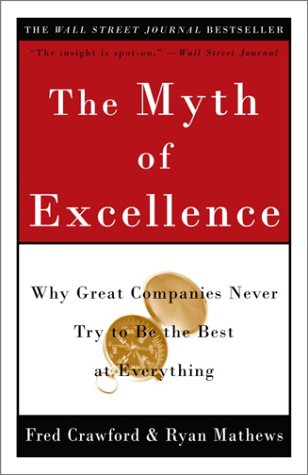
The Myth of Excellence: Why Great Companies Never Try to Be the Best at Everything
2007 · PDF

The Myth of Excellence: Why Great Companies Never Try to Be the Best at Everything
2007 · EPUB

The Real Madrid Way: How Values Created the Most Successful Sports Team on the Planet
2016 · EPUB

The Huawei Way: Lessons from an International Tech Giant on Driving Growth by Focusing on Never-Ending Innovation
2016 · EPUB