Reclaiming Justice: The International Tribunal for the Former Yugoslavia and Local Courts
Book information
Description
For the first time in legal history, an indictment was filed against an acting head of state, Slobodan Milosevic, for crimes that he allegedly committed while in office. Seeking to change the concept of ethnic cleansing from a rationalizing euphemism to an incriminating metaphor, the International Criminal Tribunal for the Former Yugoslavia (ICTY) established precedents and expanded the boundaries of international criminal and humanitarian law. In Reclaiming Justice: The International Tribunal for the Former Yugoslavia and Local Courts, Sanja Kutnjak Ivkovich and John Hagan expand on prior literature about the ICTY by providing a comprehensive view of how people from Bosnia and Herzegovina, Croatia, Kosovo, and Serbia view and evaluate the ICTY. Kutnjak Ivkovich and Hagan raise crucial questions about international justice in a systematic and comprehensive manner, focusing on the ICTY's legality and judicial independence, as well as specific issues of substantive and procedural justice and collective and individual responsibility. They provide an in-depth analysis of perceptions about the ICTY and the subsequent work and decisions reached by its local courts. In addition, they examine the relationship between the views of the ICTY and ethnicity as the war was fought largely along ethnic lines.
Similar books

Who Are the Criminals?: The Politics of Crime Policy from the Age of Roosevelt to the Age of Reagan
2012 · PDF
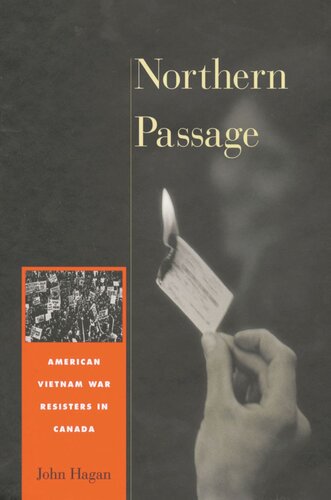
Northern Passage: American Vietnam War Resisters in Canada
2001 · PDF

Justice in the Balkans: Prosecuting War Crimes in the Hague Tribunal
2010 · PDF

Police Integrity in South Africa
2020 · EPUB

The Science of Near-Death Experiences
2017 · PDF

Basic painting and drawing principles and techniques from the Renaissance
2000 · PDF

Annual Review of Law and Social Science (2007 Vol 3)
2007 · PDF

The Many Colors of Crime: Inequalities of Race, Ethnicity, and Crime in America (New Perspectives in Crime, Deviance, and Law)
2006 · PDF