Tuberculosis and Disabled Identity in Nineteenth Century Literature : Invalid Lives
Book information
Description
Until the nineteenth century, consumptives were depicted as sensitive, angelic beings whose purpose was to die beautifully and set an example of pious suffering – while, in reality, many people with tuberculosis faced unemployment, destitution, and an unlovely death in the workhouse. Focusing on the period 1821-1912, in which modern ideas about disease, disability, and eugenics emerged to challenge Romanticism and sentimentality, Invalid Lives examines representations of nineteenth-century consumptives as disabled people. Letters, self-help books, eugenic propaganda, and press interviews with consumptive artists suggest that people with tuberculosis were disabled as much by oppressive social structures and cultural stereotypes as by the illness itself. Invalid Lives asks whether disruptive consumptive characters in Wuthering Heights, Jude the Obscure, The Idiot, and Beatrice Harraden’s 1893 New Woman novel Ships That Pass in the Night represented critical, politicised models of disabled identity (and disabled masculinity) decades before the modern disability movement. Front Matter ....Pages i-ix Introduction (Alex Tankard)....Pages 1-24 Medical and Social Influences on Consumptive Identity, 1821–1912 (Alex Tankard)....Pages 25-62 Victimhood and Death: Consumptive Stereotypes in Fiction and Non-fiction (Alex Tankard)....Pages 63-97 ‘I Hate Everybody!’: The Unnatural Consumptive in Wuthering Heights (1847) (Alex Tankard)....Pages 99-133 ‘Too Much Misery in the World’: Protest in Jude the Obscure (1895) and Ippolit’s ‘Necessary Explanation’ in The Idiot (1869) (Alex Tankard)....Pages 135-166 Progress: Valid Invalid Identity in Ships That Pass in the Night (1893) (Alex Tankard)....Pages 167-198 Conclusion (Alex Tankard)....Pages 199-210 Back Matter ....Pages 211-238
Similar books

Weird Fiction and Science at the Fin de Siècle
2020 · PDF
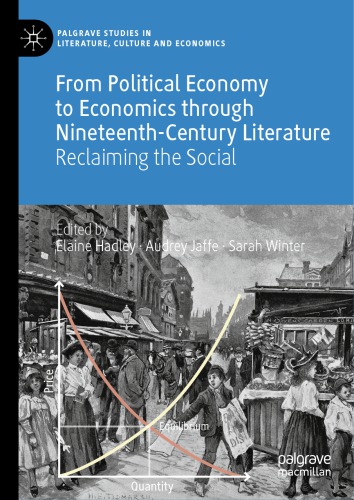
From Political Economy to Economics Through Nineteenth-Century Literature: Reclaiming the Social
2019 · PDF
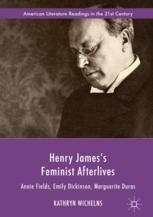
Henry James’s Feminist Afterlives: Annie Fields, Emily Dickinson, Marguerite Duras
2018 · PDF

The Vocation of Sara Coleridge: Authorship and Religion
2018 · PDF

Romantic Women Writers and Arthurian Legend: The Quest for Knowledge
2017 · PDF

Alternate Histories and Nineteenth-Century Literature: Untimely Meditations in Britain, France, and America
2017 · PDF

The Form of Poetry in the 1820s and 1830s: A Period of Doubt
2018 · PDF

British Romanticism, Climate Change, and the Anthropocene: Writing Tambora
2017 · PDF