Rethinking Securities in an Emergent Technoscientific New World Order : Retracing the Contours for Africa's Hi-jacked Futures
Book information
Description
The emergent technoscientific New World Order is being legitimised through discourses on openness and inclusivity. The paradox is that openness implies vulnerability and insecurities, particularly where closure would offer shelter. While some actors, including NGOs, preach openness of African societies, Africans clamour for protection, restitution and restoration. Africans struggle for ownership and access to housing, for national, cultural, religious, economic, and social belonging that would offer them the necessary security and protection, including protection from the global vicissitudes and matrices of power. In the presence of these struggles, to presuppose openness would be to celebrate vulnerability and insecurities. This book examines ways in which emergent technologies expose Africans and, more generally, peoples of the global south to political, economic, social, cultural and religious shocks occasioned by the coloniality of the global matrices of power. It notes that there is the use – by global elites – of technologies to incite postmodern revolutions designed to compound the vicissitudes and imponderables in the already unsettled lives of people north and south. Particularly targeted by these technologies are African and other governments that do not cooperate in the fulfilment of the interests of the hegemonic global elites. The book is handy to students and practitioners in security studies, African studies, development studies, global studies, policy studies, and political science. Cover Title page Copyright page List of Contributors Contents Chapter 1 - The Development of (Neo-)Imperial Sacrifice, Global Atavism and African Insecurities: An Introduction Introduction Cannibalism, Sacrifice and Insecurities within (Neo-)Imperial Logics and Praxis Chapter Outlines References Chapter 2 - “Ethnicity”, “Nomadic” Identities and (In-)Securities in Africa: The Case of the Tsonga Speaking People in South Africa Introduction “Ethnicities”, “Tribes” and Insecurities The Tsonga Speaking Groups in South Africa Apartheid and the Formation of the Gazankulu Homeland The Tsonga, Kingship and the Post-Apartheid Nhlapo Commission of Inquiry Internet Blogs and the Tsonga/Shangaan Dichotomy Tsonga Consciousness and Boundaries Conclusion References Chapter 3 - Disabilities and Human Insecurities: Women and Oculocutaneous Albinism in Post-Colonial Zimbabwe Introduction Insecurities experienced by the generality of people living with oculocutaneous albinism Age-old myths and patriarchal chauvinism as sources of insecurity for women living with albinism in Zimbabwe Contemporary myths and the vulnerability of women living with albinism Victimisation of non-albino women for giving birth to children with albinism The pursuit of security by albino women in post-colonial Zimbabwe Conclusion References Chapter 4 - A Religious Survey of Technological Oddity: Humanoid as a Case Study Introduction Meaning of Humanoids Historical Antecedent of Humanoid Robots Effects of Humanoids on the society Factors promoting Humanoids in the society The Religious Implications of Humanoids i. God’s Commandment ii. Divine Conscience iii. God’s Mystery of Life and Death iv. Afterlife Judgment v. Worship and Liturgical Responsibilities Christian Theological Evaluation of Humanoids Humanoids in Yoruba Religion (Yorel) Spirituality of Humanoids in Yoruba Religion Religious monitory roles towards technological advancements The Relationship of Isaac Asimov’s laws of Robotics with Shigidi in Yorel Contributions to Knowledge i. Religious Implication is a pivotal consideration for Technological Inventions ii. Guidance Values on Humanoids iii. Caution to technological quests of breaking Natural mystery iv. Academic engagement between Religion and Technology is a necessity v. ‘Host and Virus’ Illustration Conclusion References Chapter 5 - The Vacuity of the Responsibility to Protect in Africa? Insecurities and Social Protection in Zimbabwe Introduction Responsibility to Protect (R2P) Concept The Social Policy Concept Approaches to Social Protection The Social Risk Management Framework (SRM) The Transformative Social Protection Framework Social Protection in Zimbabwe The Pre-and Post-Colonial Social Protection System Post-Independence Social Protection in Zimbabwe Contemporary Social Protection in Zimbabwe Challenges with Social Protection in Zimbabwe Insights on Social Protection and the Emergence of Social Insecurity in Zimbabwe Alternative Approaches to Social Protection: The Way Forward Conclusion References Chapter 6 - Entangled in the “New World Order”: Africa’s (In-) Security Quandaries and Prospects Introduction Conceptualising new world order Africa in the dynamic world order Theoretical framework Methodology, data presentation and discussion of findings World Bank Data on Africa Development and Debt Rates Conclusion References Chapter 7 - Rethinking Security and Global Politics: The Tethering of Africa in an Era of Globalisation Introduction Conceptualising human insecurity in the Global South Globalisation and its uncertainties: Paradigms in African Security Globalisation by-passing the Global South Why globalisation worries countries in the Global South? Theorising the nexus between globalisation and security Conflicts, poverty and insecurity in Africa Environmental insecurity Terrorism and insecurity Mitigating human insecurity in sub-Saharan Africa Conclusion References Chapter 8 - United Nations Agencies and Management of Humanitarian Crisis of Internally Displaced Persons (IDPs) in Nigeria’s Abuja Camps: Reflections on the Security of Igbo Migrants in the North (2010-2016) Introduction Background to Displacement in Nigeria under the forth Republic The Role of International Organizations in addressing the plight of Internally Displaced Persons (IDPs) in some selected camps in the Federal Capital Territory Sabotaging the Humanitarian Efforts of UN Agencies in FCT IDP Camps Conclusion References Chapter 9 - Religions and Insecurities: Heritage Contestations and Religious Praxis in Mberengwa and Masvingo, Zimbawe Introduction Biblical Narrative The Historical Narrative The Deployment of Technology to Bolster Positions Remba Jewish-Arab Paternity Theories Remba interaction with Muslims and Jews in Zimbabwe Constitutional Provisions Conclusion References Primary Sources Chapter 10 - Electoral Politics and (In-) Securities in Africa: Thinking the past and the present for the future of Africa Introduction Conceptualising human insecurity, elections and electoral violence Stakes Competitiveness Perpetrators of electoral violence Victims Consequences of failing to combat electoral violence Electoral politics and (in) security in Africa: a general survey Preventing election related human insecurity in Africa Way Forward Conclusion References Chapter 11 - Espousing Global “Civilisation” in “Social Networking”: Linguistic Vulnerability and Techno-paranoia among Tshivenda/Xitsonga Speakers in Zimbabwe Introduction Theoretical Framework Linguistic Stratification: (In)Voluntary Language Choice, Preferences and the Dominancy of English Acronyms, Abbreviations and Shortenings in English Informalities and Transphonologies The Insidious Proliferation of English and the Loss of Identity among the Indigenous Peoples Cultural Imperialism and the Inadvertent Espousal of English–Interrogating ‘its’ Ostensible Civilisation Conclusion References Chapter 12 - Zimbabwean Youths and the Insecurities from “Bronco” Abuse Introduction Methodology Overview on Drug Abuse Bronco Saga How Bronco Is Smuggling? Why Bronco Abuse? How Bronco Is Consumed Socioeconomic Implications of Bronco Abuse Way Forward Conclusion References Chapter 13 - Democracy, Political Dynamics and (In-)security in the Global South: Hard Lessons for Africans Introduction The cunnings of the Global North Why conflict has remained endemic in Africa? In search of sustainable democracy for all Democratic elections in Africa Conclusion References Chapter 14 - The Role of Corporate Social Responsibility in Curbing Insecurity in Nigeria’s Niger Delta Region Introduction Corporate Social Responsibility (CSR) and the Development of the Niger Delta: Definitions and Perceptions CSR: Philanthropy or Corporate Responsibility? MNOCs and Government-Centred Approaches to CRS Initiatives in the Niger Delta Macro-CSR and Security in the Niger Delta: Challenges and Prospects Conclusion References Chapter 15 - Should the West Keep on Playing God? Genetic Engineering, Bio-technological Insecurities and their Implications for Africa Introduction Understanding Human Cloning Human Cloning as “Playing God” Exploring the Implications of Human Cloning to Africa Conclusion References Chapter 16 - Freedom to Become Insecure? Vulnerabilities from the Emergent Digital Media in Zimbabwe Introduction The social media as a public sphere: an enhancement of the freedom of expression and access to information The oxymoron of freedom in the emerging digital media: an encounter with Jean Baudrillard’s hyperreal and simulacra concepts Vulnerabilities of the grassroots at the hands of global capitalism Methodology Freedom of expression: Online “tribal” wars and “ethnic” divisions in Zimbabwe Social media and emergent insecurities: a critical examination of social media as a threat to national security in Zimbabwe A pen is mightier than a sword: regulating the social media in Zimbabwe Conclusion References Back cover
Similar books

Environmental Conservation Through Ubuntu and Other Emerging Perspectives
2013 · PDF

Culture, Indigenous Knowledge and Development in Africa: Reviving Interconnections for Sustainable Development
2014 · PDF

Heritage Practices for Sustainability : Ethnographic Insights from the Batonga Community Museum in Zimbabwe
2016 · PDF
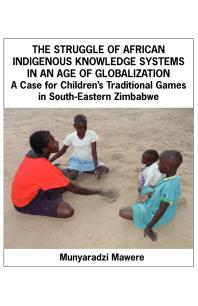
The Struggle of African Indigenous Knowledge Systems in an Age of Globalization: A Case for Children's Traditional Games in S
2012 · PDF

Divining the Future of Africa : Healing the Wounds, Restoring Dignity and Fostering Development
2014 · PDF

Kids: Africa in Childhood Poetry
2014 · PDF
Rain Petitioning and Step Child: Plays : Plays
2013 · PDF
Environment and Natural Resource Conservation and Management in Mozambique
2013 · PDF