The Oxford Introductions to U.S. Law: Constitutional Law
Book information
Description
CHAPTER 1 Who Decides?; CHAPTER 2 Judicial Review; What Is Judicial Review and What Purpose Does It Serve?; What Does the Constitution Say about Judicial Review?; Writtenness; Supremacy; Articles III and VI; What Are the Practical Consequences of Judicial Review?; Further Reading; CHAPTER 3 Constitutional Interpretation; Judicial Restraint; Natural Law and the Moral Reading; Representation Reinforcement; Originalism; Eclecticism; Further Reading; CHAPTER 4 Federalism; The Benefits and Costs of Federalism; Limits of Enumerated Powers; Internal versus External Commerce; Pretext.;The Oxford Introductions to U.S. Law: Constitutional Law presents an accessible introduction to the enduring topics of American constitutional law, including judicial review, methods of interpretation, federalism, separation of powers, equal protection, and individual liberties. One of the most important functions performed by the American Constitution and the more than two centuries' worth of cases interpreting it is the allocation of decision-making. Professor Dorf and Professor Morrison frame many of these constitutional debates with this question of authority. When should courts rule that. CHAPTER 1 Who Decides? CHAPTER 2 Judicial Review What Is Judicial Review and What Purpose Does It Serve? What Does the Constitution Say about Judicial Review? Writtenness Supremacy Articles III and VI What Are the Practical Consequences of Judicial Review? Further Reading CHAPTER 3 Constitutional Interpretation Judicial Restraint Natural Law and the Moral Reading Representation Reinforcement Originalism Eclecticism Further Reading CHAPTER 4 Federalism The Benefits and Costs of Federalism Limits of Enumerated Powers Internal versus External Commerce Pretext. Economic Activity"Etiquette" Limits on Federal Power Traditional Areas of State Sovereignty Commandeering Sovereign Immunity Clear Statement Rules Federalism-Based Limits on the States Further Reading CHAPTER 5 Separation of Powers The Function of Separation of Powers Selected Themes in Separation of Powers Doctrine The Executive The Legislature The Judiciary Further Reading CHAPTER 6 Equal Protection Slavery From Plessy to Brown Anti-Subordination or Color Blindness? Tiers of Scrutiny Purpose and Effect Is Equality an Empty Idea? Further Reading. CHAPTER 7 Enumerated Rights: The First AmendmentFreedom of the Press Freedom of Speech Free Exercise of Religion No Establishment of Religion Further Reading CHAPTER 8 Unenumerated Rights The Privileges or Immunities Clause The Lochner Era Incorporation of the Bill of Rights The Right of "Privacy" Further Reading CHAPTER 9 Congressional Enforcement of Constitutional Rights The State Action Requirement Defining the Rights to be Enforced Enforcement as Deterrence and Prevention, within Limits Further Reading CHAPTER 10 Beyond the Courts Index A B C D E F G H I J K L. MN O P R S T U V W Y.
Similar books

Oxford Introductions to U.S. Law: Constitutional Law
2010 · PDF

Performing antiquity: ancient Greek music and dance from Paris to Delphi, 1890-1930

Modern control systems
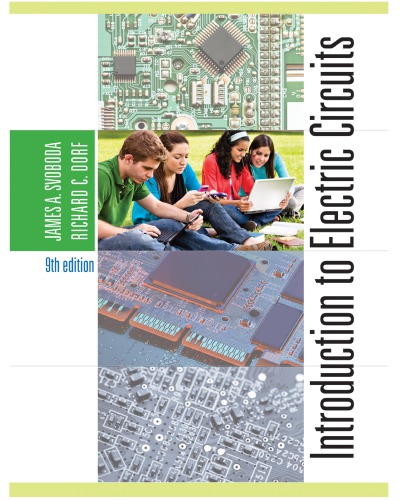
Introduction to Electric Circuits
2013 · PDF

Pocket Book of Electrical Engineering Formulas
2018 · PDF

The Electrical Engineering Handbook on CD-ROM
2000 · PDF

The Electrical Engineering Handbook
2000 · PDF

Electrical Engineering Handbook
2000 · PDF