Iron Women
Book information
Description
When the last spike was hammered into the steel track of the Transcontinental Railroad on May 10, 1869, at Promontory Point, Utah, Western Union lines sounded the glorious news of the railroad’s completion from New York to San Francisco. For more than five years an estimated four thousand men mostly Irish working west from Omaha and Chinese working east from Sacramento, moved like a vast assembly line toward the end of the track. Editorials in newspapers and magazines praised the accomplishment and some boasted that the work that “was begun, carried on, and completed solely by men.” The August edition of Godey’s Lady’s Book even reported “No woman had laid a rail and no woman had made a survey.” Although the physical task of building the railroad had been achieved by men, women made significant and lasting contributions to the historic operation. However, the female connection with railroading dates as far back as 1838 when women were hired as registered nurses/stewardesses in passenger cars. Those ladies attended to the medical needs of travelers and also acted as hostesses of sorts helping passengers have a comfortable journey. Beyond nursing and service roles, however, women played a larger part in the actual creation of the rail lines than they have been given credit for. Miss E. F. Sawyer became the first female telegraph operator when she was hired by the Burlington Railroad in Montgomery, Illinois, in 1872. Eliza Murfey focused on the mechanics of the railroad, creating devices for improving the way bearings on a rail wheel attached to train cars responded to the axles. Murfey held sixteen patents for her 1870 invention. In 1879, another woman inventor named Mary Elizabeth Walton developed a system that deflected emissions from the smoke stacks on railroad locomotives. She was awarded two patents for her pollution reducing device. Their stories and many more are included in this illustrated volume celebrating women and the railroad. Contents Acknowledgments Introduction Chapter 1: The Telegraphers Chapter 2: Sarah Kidder: The Railroad President Chapter 3: Helen Hunt Jackson: The Poet’s Railroad Tour Chapter 4: Laura Bullion: The Wild Bunch Train Robber Chapter 5: Lillie Langtry: The Jersey Lily and the LaLee Chapter 6: Mary Pennington: The Creator of the Modern Refrigerator Boxcar Chapter 7: Miriam Leslie: The Journalist Riding the Rails Chapter 8: Women vs. the Railroad: The Fight for Fairness on the Rails Chapter 9: Olive Dennis: The Railroad Civil Engineer Chapter 10: Phoebe Snow: The Railroad Pinup Girl Chapter 11: Julia Bulette: The Madam Honored by the Railroad Chapter 12: Mary Colter: The Harvey House Architect Chapter 13: Mary Louise Lawser: The Santa Fe Railroad Muralist Chapter 14: The Harvey Girls: The Railroads’ Hospitality Ambassadors Chapter 15: The Business and Professional Women’s Club Notes Bibliography Index About the Author
Similar books

More Tales Behind the Tombstones: More Deaths and Burials of the Old West's Most Nefarious Outlaws, Notorious Women, and Celebrated Lawmen
2015 · EPUB
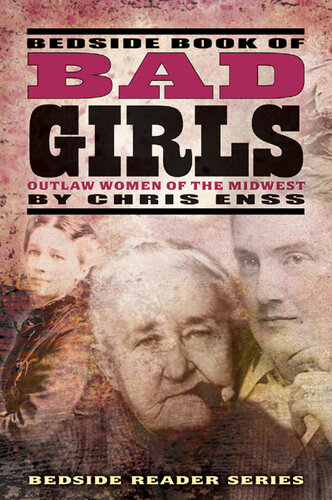
Bedside Book of Bad Girls: Outlaw Women of the Midwest
2012 · EPUB
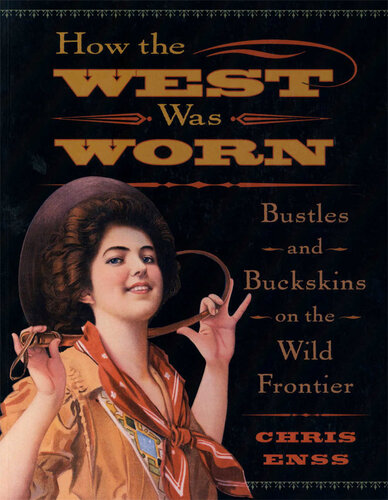
How the West Was Worn: Bustles and Buckskins on the Wild Frontier
2005 · EPUB

Entertaining Women: Actresses, Dancers, and Singers in the Old West
2015 · EPUB

The Lady and the Mountain Man: Isabella Bird, Rocky Mountain Jim, and their Unlikely Friendship
2021 · EPUB

Soldier, Sister, Spy, Scout: Women Soldiers and Patriots on the Western Frontier
2016 · EPUB

Iron Women: The Ladies Who Helped Build the Railroad
2021 · EPUB

According to Kate: The Legendary Life of Big Nose Kate, Love of Doc Holliday
2019 · EPUB