A Comparative Philosophy of Sport and Art
Book information
Description
This book compares two major leisure activities – watching sport and engaging with art. It explores a range of philosophical questions that arise when sport and art are placed side by side: The works of Shakespeare, Rembrandt and Mozart have continued to fill playhouses, galleries and concert halls for centuries since they were created, while our interest in even the most epic sporting contests fades after just a few years, or even a single season. What explains this difference?Sporting contests are merely games. So why do sports fans attach such great importance to whether their team wins or loses?Do sporting contests have meaning in the way works of art do?Beauty is a central value in art. Is it important in sport?What role does morality play in sport and art?What value do sport and art contribute to the world and to the meaning of people’s lives? Acknowledgements Contents About the Author Chapter 1: Introduction Bibliography Chapter 2: The Spectator’s View 2.1 Why Care About the Outcome of a Game? 2.2 Two Kinds of Spectator 2.3 Watching Sport: Walton’s Theory 2.4 A Third Kind of Spectator 2.5 The Puzzle of the True Fanatic 2.6 A Hypothesis Bibliography Chapter 3: A True Test and a Beautiful Sight 3.1 Imagination in Sport and in Art 3.2 A True Winner 3.3 Beauty versus Victory 3.4 Watching with Empathy 3.5 Is Sport “a Form of Art”? 3.6 The Purist and the Fan—Once More Bibliography Chapter 4: Sport and Art: Some Central Points of Comparison 4.1 Imagination and Partisanship in Sport and Art 4.2 Sport, Art and Authorship (or How a Gymnast can Become an Artist) 4.3 Sport, Art and Meaning 4.4 Sport, Art and the Challenges of Interpretation 4.5 Sport Is Transitory While Art Endures 4.6 Sport, Art and History 4.7 Differences between Sport and Art, in Summary Bibliography Chapter 5: Defining Sport 5.1 What Is Sport? 5.2 Sport, Art and the Autotelic Claim 5.3 The Problem of Professionalism—and a Solution 5.4 Playing to Win and the Autotelic Claim 5.5 Game Sports and Nature Sports 5.6 Performance Sports 5.7 Measured Sports 5.8 Why Game Sports Are the Most Popular Spectator Sports Bibliography Chapter 6: Defining Art 6.1 The Institutional Theory and Its Limitations 6.2 Art: A Proposal 6.3 Commentary 6.4 Final Remarks Bibliography Chapter 7: Sport Has Its Own World; Art Inhabits the Everyday World 7.1 External and Internal Values 7.2 Virtues and “Virtues” 7.3 Heroism in Sport 7.4 The Hard Playground of Competitive Sport 7.5 Morality in Sport 7.6 Why Art’s Internal Values Are Not Confined to the Institution Bibliography Chapter 8: The Value of Art 8.1 Intrinsic and Instrumental Value in Art 8.2 Art as the Embodiment of Exemplary Action 8.3 Learning from Art 8.4 Scrutinising, Guiding and Distancing Bibliography Chapter 9: The Value of Sport 9.1 Sport Viewed as Sport 9.2 Sport and Aesthetic Value 9.3 A Walk on the Wild Side: Sport Enjoyed as a Contest 9.4 The Instrumental Value of Sport: Some Proposals 9.5 Sport and Prejudice Bibliography Chapter 10: Sport, Art and the Meaning of Life 10.1 “The Whole of the Ideal of Existence” 10.2 The Miseries of Sisyphus 10.3 Purpose and Meaning 10.4 Progress and Meaning 10.5 Connectedness and Meaning 10.6 Last Words to the Purist Bibliography Index
Similar books

Practical Foundations of Mathematics
1999 · PDF

'Tis Not Our War - Avoiding Military Service in the Civil War North
2024 · EPUB

"Old Slow Town": Detroit During the Civil War (Great Lakes Books)
2013 · PDF

"Old Slow Town": Detroit During the Civil War (Great Lakes Books)
2013 · EPUB
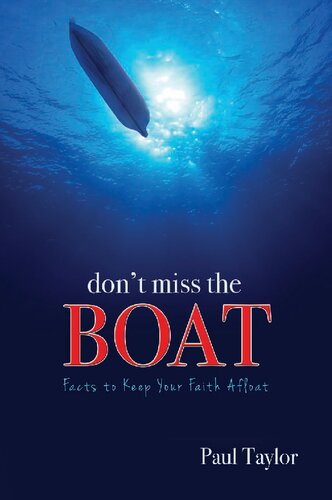
Don't Miss the Boat: Facts to Keep Your Faith Afloat
2013 · PDF

Don't Miss the Boat: Facts to Keep Your Faith Afloat
2013 · EPUB

Facts and Fancies : Essays Written Mostly for Fun
2013 · PDF

International Organization in the Age of Globalization
2003 · PDF