Designing to Avoid Disaster : The Nature of Fracture-Critical Design
Book information
Description
Recent catastrophic events, such as the I-35W bridge collapse, New Orleans flooding, the BP oil spill, Port au Prince's destruction by earthquake, Fukushima nuclear plant's devastation by tsunami, the Wall Street investment bank failures, and the housing foreclosure epidemic and the collapse of housing prices, all stem from what author Thomas Fisher calls fracture-critical design. This is design in which structures and systems have so little redundancy and so much interconnectedness and misguided efficiency that they fail completely if any one part does not perform as intended. If we, as architects, planners, engineers, and citizens are to predict and prepare for the next disaster, we need to recognize this error in our thinking and to understand how design thinking provides us with a way to anticipate unintended failures and increase the resiliency of the world in which we live. In Designing to Avoid Disaster, the author discusses the context and cultural assumptions that have led to a number of disasters worldwide, describing the nature of fracture-critical design and why it has become so prevalent. He traces the impact of fracture-critical thinking on everything from our economy and politics to our educational and infrastructure systems to the communities, buildings, and products we inhabit and use everyday. And he shows how the natural environment and human population itself have both begun to move on a path toward a fracture-critical collapse that we need to do everything possible to avoid. We designed our way to such disasters and we can design our way out of them, with a number of possible solutions that Fisher provides.
Similar books

Ethics for Architects: 50 Dilemmas of Professional Practice (Architecture Briefs)
2010 · PDF

The Invisible Element of Place: The Architecture of David Salmela

Designing Our Way to a Better World
2016 · PDF

Kuwabara Payne McKenna Blumberg Architects
2013 · PDF
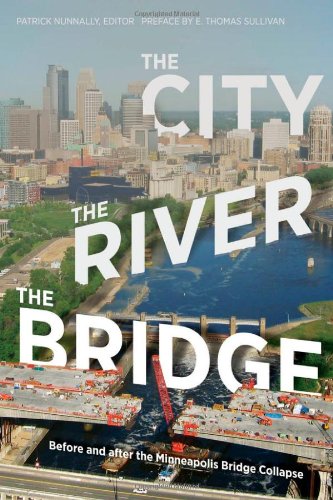
The City, the River, the Bridge: Before and after the Minneapolis Bridge Collapse
2011 · PDF

Architectural Design and Ethics: Tools for Survival
2008 · PDF

EXCEL 2023 CRASH COURSE: Master Excel 2023 With This Complete Crash Course In 7 Days
2022 · EPUB

The arraignment and tryall with a declaration of the Ranters also, several sentences proceedings at the sessions in the Old-Baily, and Councel of War: their protestations and the hanging of one up by the thumbs; with divers penalties to be inflicted upon others. The dancing and revelling of Dr. Buckeridge and his wife, and other gent. dancing all in white, in Berkshire, and their Christmas carol. A dispute between a Ranter in Bridewel, and one that came to see him; with his creed and pater noster: and the names of the false gods they worship. As also, a list of many of the Ranters, from whence they are derived: and of many hundreds of them in England
2019 · EPUB