The United States and Europe in the Twentieth Century
Book information
Description
The relationship between the US and Europe in the 20th century is one of the key considerations in any understanding of international relations/international history during this period. David Ryan first sets the context by looking at the trends and traditions of America's foreign relations in the 19th century, and then considers the changing nature of America's vision of Europe from 1900 to the present. The book examines America's response to and involvement in the two World Wars, including the structure of international power after the First World War and American reaction to the rise of Nazi Germany. American/European relations during the Cold War (1945-1970) are discussed, and Ryan considers the contentious debate that America was trying to establish an empire by invitation. Finally, the book looks at the ever-increasing unification of Europe and how this has affected America's role and influence. Cover Half Title Dedication Title Page Copyright Page Table of Contents Introduction to the Series Author’s Acknowledgements Publisher’s Acknowledgements List of Maps Chronology Part One: Background 1. The Traditions of US Foreign Relations Cooperation, Conflict and the National Interest Spheres of Influence: The Monroe Doctrine Empire as a Way of Life: Manifest Destiny and Imperialism Open Doors: Expanding Trade The Turn into the American Century Part Two: The United States and the World Wars 2. Wilson’s Order and European Power The United States and Imperial Europe The First World War: Prelude to Intervention, 1914–16 US Intervention The Russian Revolution The Western Front and Western Peace 3. The Inter-War System to the Second World War Ruling the Waves? Economic Engagement with Europe Economic Fragmentation: The Wall Street Crash and the Great Depression Washington and The Rise of Fascist Europe US Isolation? The Second World War Part Three: The United States, Europe and the Cold War 4. The Division of Europe, 1945–56 Planning the Post-war Order Emerging Cold War in Europe The Marshall Plan: Integrating Europe Crisis in Berlin and the formation of NATO The End(s) of Empire Peaceful Coexistence? 5. The United States and Europe from the Atlantic to the Urals? 1957–72 Bystanders: Eastern Europe and Hungary Transatlantic Division: Suez European Unity Kennedy’s Grand Design De Gaulle and Europe from the Atlantic to the Urals Ostpolitik, Czechoslovakia, Détente Part Four: The United States, European Integration and the end of the Cold War 6. US Decline and European Integration, 1973–86 Détente and Economic Tensions The Year of Europe and EEC Enlargement End of Authoritarian Government Renewed Cold War? Solidarity in the East or West? Single European Act 7. The End of The Cold War, 1987–2000 Soviet New Thinking Revolution in Eastern Europe German Unification Soviet Dissolution, 1991 The European Union or Transatlantic Unity? Yugoslavia: Bosnia to Kosovo Part Five: Assessment 8. Extending the West Part Six: Documents Glossary Who’s Who Further Reading References Index
Similar books

The United States and Europe in the Twentieth Century (Seminar Studies In History)
2003 · PDF

The United States and Europe in the Twentieth Century
2003 · EPUB

CGP Maths for GCSE and IGCSE Textbook, Higher (for the Grade 9-1)
2016 · PDF

Frustrated Empire : US Foreign Policy, 9/11 to Iraq
2007 · PDF

Vietnam in Iraq: Tactics, Lessons, Legacies and Ghosts
2006 · PDF
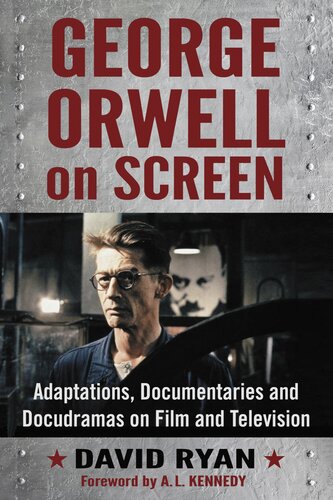
George Orwell on Screen: Adaptations, Documentaries and Docudramas on Film and Television
2018 · EPUB

Real Estate Principles: A Value Approach
2017 · PDF

Blasphemers & Blackguards: The Irish Hellfire Clubs
2012 · PDF