Deviant Matter: Ferment, Intoxicants, Jelly, Rot
Book information
Description
How deviant materials figure resistanceYeast ferments, gelatin jiggles, drugs and alcohol froth and bubble, and flesh from animals and plants actively molds and rots. These materials morph through multiple states and phases, and their movement is imbued with a liveliness that is suggestive of volition.Deviant Matter examines four aesthetic and material categories― gelatinousness, fermentation, putrefaction, and intoxication―to theorize how the modern state seeks to manage deviant populations across multiple scales, from the level of the single cell up to the affective and aesthetic imperatives of the state and its bureaucratic projects. Kyla Wazana Tompkins deploys a new materialist engagement with the history of race and queer life, making an argument for queer of color method as political and disciplinary critique. Deviant Matter delves into a vast archive that includes nineteenth-century medical and scientific writing; newspaper comic strips and early film; the Food and Drug Act of 1906; the literature of Martin Delany, Louisa May Alcott and Herman Melville; and twenty-first century queer minoritarian video, installation, and performance art.Drawing from the genealogy of Black feminist and queer of color critique, in Deviant Matter rot, jelly, ferment and intoxicating materials serve as figures for thinking about how matter, art, politics, and affect can be read across multiple scales, ranging from the intimate and molecular everyday to the vast print production and inner workings of the state. Tompkins demonstrates that we are moved by our encounters with the materials in Deviant Matter, producing feelings and sensations that she links to a system of social value where these sensations come to be understood as productive, exciting, disgusting, intoxicating, or even hallucinatory. Moving through multiple states and phase changes, falling apart and reforming again, ferment, rot, intoxicants and jelly energize and choreograph both themselves and human behavior. At the same time, these materialities come to signify exactly those populations whose energy escapes the extractive efforts of capitalism and the state.
Similar books

Racial Indigestion: Eating Bodies in the 19th Century
2012 · PDF
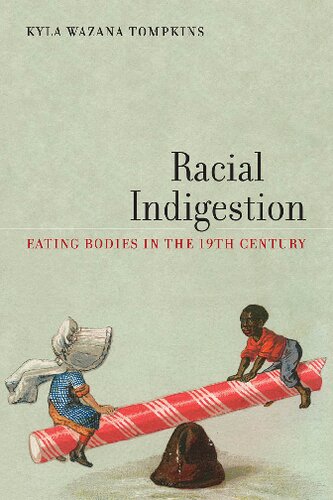
Racial Indigestion: Eating Bodies in the 19th Century
2012 · PDF

Racial Indigestion: Eating Bodies in the 19th Century
2012 · EPUB

MySQL® Notes for Professionals book
2018 · PDF

MrExcel 2022: Boosting Excel
2022 · PDF

MrExcel 2022: Boosting Excel
2022 · PDF

Session C11: Ancient Cultural Landscapes in South Europe – their Ecological Setting and Evolution, Session C22: Gardeners from South America, Session S04: Agro-Pastoralism and Early Metallurgy Sessions, Session WS29: The Idea of Enclosure in Recent Iberian Prehistory, Session C88: Rhytmes et causalites des dynamiques de l'anthropisation en Europe entre 6500 ET 500 BC: Hypotheses socio-culturelles et/ou climatiques: Proceedings of the XV UISPP World Congress (Lisbon 4-9 September 2006) / Actes du XV Congrès Mondial (Lisbonne 4-9 Septembre 2006) Vol.36
2010 · PDF

THE BRITISH ARMY IN INDIA: ITS PRESERVATION BY AN APPROPRIATE CLOTHING, HOUSING, LOCATING, RECREATIVE EMPLOYMENT, AND HOPEFUL ENCOURAGEMENT OF THE TROOPS. with AN APPENDIX ON INDIA : THE CLIMATE OP ITS HILLS ; THE DEVELOPMENT OF ITS RESODRCBS, INDUSTRY, AND ARTS ; THE ADMINISTRATION OF JUSTICE ; THE BLACK ACT ; THE PROGRESS OF CHRISTIANITY ; THE TRAFFIC IN OPIUM ; THE VALUE OF INDIA ; PERMANENT CAUSES OF DISAFFECTION, AND OF THE RECENT REBELLION ; THE TRADITIONARY POLICY; MISGOVERNMENT BY NATIVE RULERS ; ANNEXATIONS OF THEIR TERRITORY, ETC.
1858 · PDF