Nothing Good Is Allowed to Stand: An Integrative View of the Negative Therapeutic Reaction
Book information
Description
Work with patients with severe neuroses very often has to cope with the phenomenon that every progress in the analytic or therapeutic work is followed paradoxically by a clinical deterioration. There are a number of dynamic factors that converge to bring about this negative therapeutic reaction, including many-layered guilt and shame, aspects of envy and jealousy, attachment to negative affects, turning trauma from passive to active, conflicts within the superego, and the defensive use of omnipotence of responsibility. In Nothing Good Is Allowed to Stand, Wurmser, Jarass, and their colleagues consider these and other factors insightfully, such as the extent to which traumatization lives on in self-directed aggressions of the superego in the claim of omnipotence; the significant role of deep conflicts between opposite values and loyalties in bringing about the prohibition of anything "good" and thus of the negative therapeutic reaction in particular and masochism in general; and the extent to which envy, jealousy, and resentment can be encountered in the "inner object," the "inner judge" (i.e., the superego), and how they are directed against the self.
Similar books
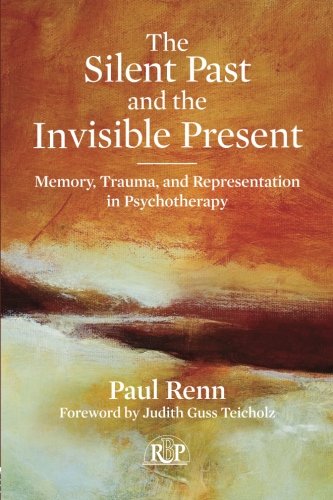
The Silent Past and the Invisible Present: Memory, Trauma, and Representation in Psychotherapy
2012 · PDF

Contemporary Psychodrama: New Approaches to Theory and Technique
2004 · PDF

The Christopher Bollas Reader
2011 · PDF

Psychoanalytic Complexity: Clinical Attitudes for Therapeutic Change
2013 · PDF

Entering Night Country: Psychoanalytic Reflections on Loss and Resilience
2015 · PDF

Beginnings: The Art and Science of Planning Psychotherapy
2012 · PDF

Converting Psychoanalysis: Psychoanalytic Inquiry
1990 · PDF

Making Collaborative Connections with Medical Providers: A Guide for Mental Health Professionals
1999 · PDF