Emancipatory Horizons: The Possibility of a Revolutionary Architectural Practice
Book information
Description
Architecture has always been tied to social change, but also to social reproduction. Architects have sought to challenge social structures before, but this tendency seems to be in utter decline, is an emancipatory practice of architecture still possible? What prevents architecture from engaging in radical social and spatial transformation? To find out if it can still have a progressive function within society, its material relation to capital must be unravelled. The active human body, abstract labour, abstract space, fixed capital, landed property, and rent are crucial concepts to understand the spatial logic of capitalism. This research examines these theoretical issues through the historical case of UNCTAD III building in Chile, one of the last attempts to challenge the capitalist production of space. Through this case the difficult questions concerning the role of architecture within capitalist society and what are the possibilities for an alternative practice in our current conditions can be addressed. A radical alternative through architecture must acknowledge both its autonomy and dependence from the cities produced by capitalism if it wishes to address concrete change. Cover Half title Title page CC information Dedication Abstract Contents Acknowledgements List of Figures Introduction Part I: The Material Basis of Architecture 1 The Relations to Nature 2 The Artificial Order 3 The Architecture of Acts and the Abstraction of Labour Part II: The Production of Architecture under Capitalism 4 The Social Production of Architecture 5 Real Abstraction: Architecture as Capital 6 The Formal: Architecture as Political Mediation Part III: UNCTAD III and the Dialectics of Defeat 7 1971, Utopia: Industry, Modernism, and Class Struggle in the Chilean Road to Socialism 8 1973, Tragedy: The Neoliberal Utopia and the Road to Postmodernism 9 2010, Farce: GAM and the Flattening of History as Spectacle Conclusions: A Revolutionary Architecture? Notes List of References
Similar books

Critique of Architecture: Essays on Theory, Autonomy, and Political Economy
2021 · PDF

The Last Hammams of Cairo: A Disappearing Bathhouse Culture
2009 · PDF
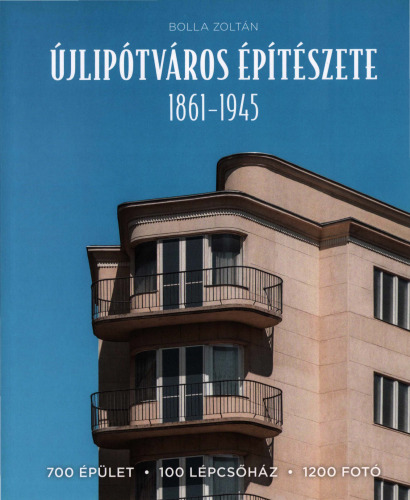
Újlipótváros építészete 1861-1945
2019 · PDF

Rom von oben: Stadtgestaltung von der Antike bis zur Gegenwart
2013 · PDF

Das Transatlantische Handels- und Investitionsabkommen: Freibrief zur Deregulierung, Angriff auf Arbeitsplätze, Ende der Demokratie
2014 · PDF

de AS 169/170: Kapitalisme: Van Crisis naar Crisis
2010 · PDF

Vom Elend der Denkmalpflege und der Stadtplanung : Kommunale Studien zur Philosophie des Bewahrens und des Zerstörens
2015 · PDF

Keine Zukunft für unsere Vergangenheit? : Denkmalschutz und Stadtzerstörung
1975 · PDF