Re-imagining Japan after Fukushima
Book information
Description
The 2011 Tōhoku earthquake, tsunami and Fukushima nuclear disaster (collectively referred to as ‘3.11’, the date of the earthquake), had a lasting impact on Japan’s identity and global image. In its immediate aftermath, mainstream media presented the country as a disciplined, resilient and composed nation, united in the face of a natural disaster. However, 3.11 also drew worldwide attention to the negative aspects of Japanese government and society, thought to have caused the unresolved situation at Fukushima. Spurred by heightened emotions following the triple disaster, the Japanese became increasingly polarised between these two views of how to represent themselves. How did literature and popular culture respond to this dilemma? Re-imagining Japan after Fukushima attempts to answer that question by analysing how Japan was portrayed in post-3.11 fiction. Texts are selected from the Japanese, English and French languages, and the portrayals are also compared with those from non-fiction discourse. This book argues that cultural responses to 3.11 had a significant role to play in re-imagining Japan after Fukushima.
Similar books
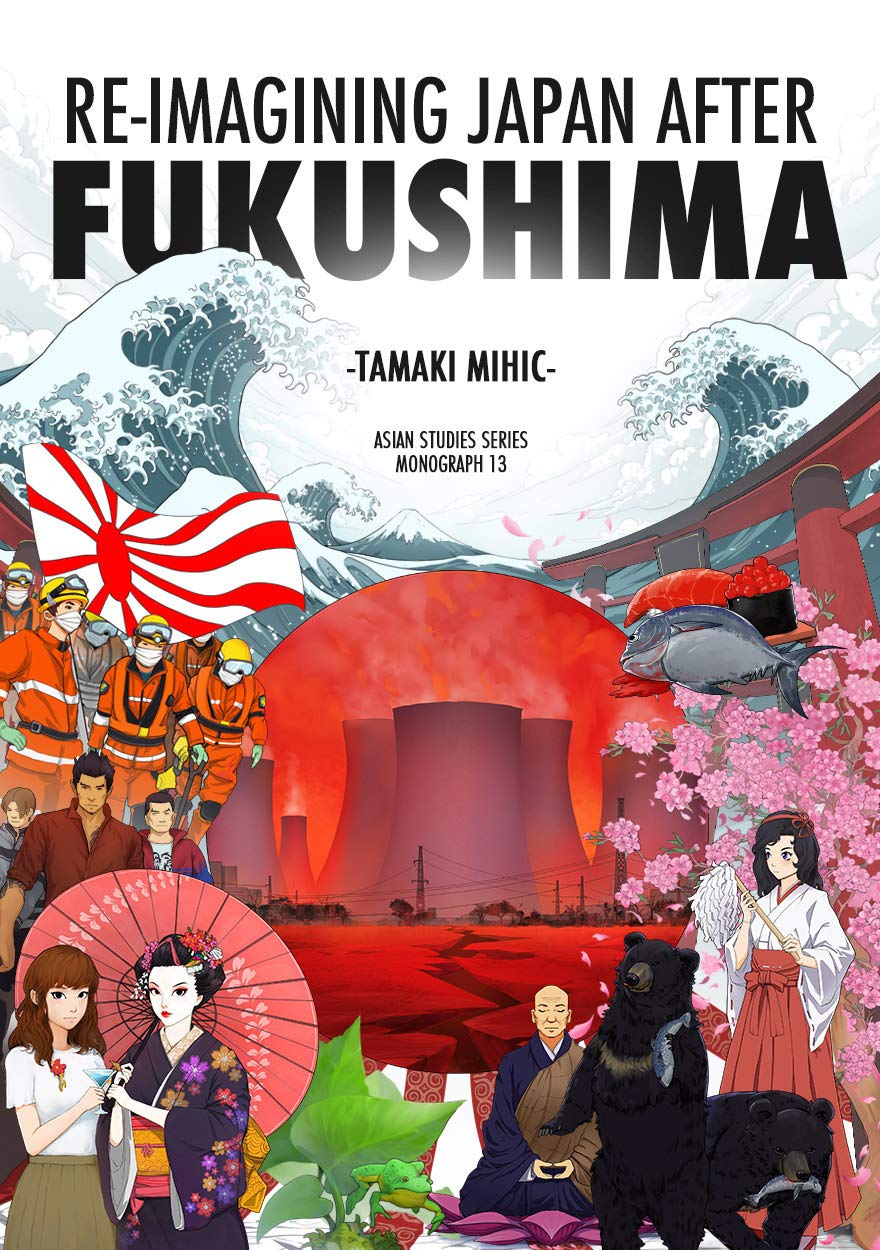
Re-imagining Japan after Fukushima
2020 · PDF

Re-imagining Japan after Fukushima
2020 · EPUB

Daniel Arbuckle's Mastering Python
2017 · MOBI

The French Intifada: The Long War Between France and Its Arabs
2014 · MOBI

The Genie Within: Your Subconscious Mind
2011 · MOBI

Girl A: The truth about the Rochdale sex ring by the victim who stopped them
2013 · MOBI

The Haunted Self: Structural Dissociation and the Treatment of Chronic Traumatization (Norton Series on Interpersonal Neurobiology)
2006 · MOBI

Homo Mysterious: Evolutionary Puzzles of Human Nature
2012 · MOBI