Justified lives: morality & narrative in the films of Sam Peckinpah
Book information
Description
In the first book to critically examine each of the fourteen feature films Sam Peckinpah directed during his career, Michael Bliss stresses the persistent moral and structural elements that permeate Peckinpah’s work.By examining the films in great detail, Bliss makes clear the moral framework of temptation and redemption with which Peckinpah was concerned while revealing the director’s attention to narrative. Bliss shows that each of Peckinpah’s protagonists is involved with attempting, in the words of Ride the High Country’s Steve Judd, "to enter my house justified."The validity of this systematic method is clearly demonstrated in the chapter devoted to The Wild Bunch. By enumerating the doublings and triplings of action and dialogue found in the film, Bliss underscores its symbolic and structural complexity. Beginning the chapters treating Junior Bonner and The Getaway with analyses of their important title sequences, Bliss shows how these frequently disregarded pieces present in miniature the major moral and narrative concerns of the films. In his chapter on The Osterman Weekend, Bliss makes apparent Peckinpahs awareness of and concern with the self-reflexive nature of filmmaking itself.Bliss shows that like John Ford, Peckinpah moved from optimism to pessimism. The films of the director’s early period, from The Deadly Companions to Cable Hogue, support the romantic ideals of adventure and camaraderie and affirm a potential for goodness in America. In his second group of films, which begins with Straw Dogs and ends with Bring Me the Head of Alfredo Garcia, both heroes and hope have vanished. It is only in The Osterman Weekend that Peckinpah appears finally to have renewed his capacity for hope, allowing his career to close in a positive way.
Similar books

Right honourable men : the descent of Canadian politics from Macdonald to Chrétien
2004 · PDF

The Discovery of Insulin: The Twenty-fifth Anniversary Edition
2000 · PDF

Laurel and Hardy's Comic Catastrophes : Laughter and Darkness in the Features and Short Films
2017 · EPUB

The Discovery of Insulin
2013 · PDF

Invasions USA : The Essential Science Fiction Films of The 1950s
2014 · EPUB

Right Honourable Men: The Descent of Canadian Politics from MacDonald to Chrétien
2012 · EPUB

The Discovery of Insulin
1984 · PDF
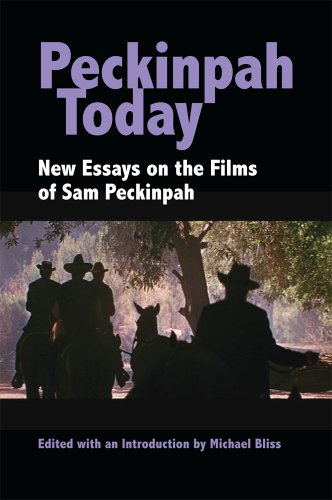
Peckinpah Today: New Essays on the Films of Sam Peckinpah
2012 · PDF