The poetics of sovereignty in American literature, 1885-1910
Book information
Description
During the Progressive Era, the United States regularly suspended its own laws to regulate racialized populations. Judges and administrators relied on the rhetoric of sovereignty to justify such legal practices, while in American popular culture, sovereignty helped authors coin tropes that have become synonymous with American exceptionalism today. In this book, Andrew Hebard challenges the notion of sovereignty as a 'state of exception' in American jurisprudence and literature at the turn of the twentieth century. Hebard explores how literary trends such as romance and realism helped conventionalize, and thereby sanction, the federal government's use of sovereignty in a range of foreign and domestic policy matters, including the regulation of overseas colonies, immigration, Native American lands, and extra-legal violence in the American South. Weaving historiography with close readings of Mark Twain, the Western, and other hallmarks of Progressive Era literature, Hebard's study offers a new cultural context for understanding the legal history of race relations in the United States.
Similar books

Queer cowboys: and other erotic male friendships in nineteenth-century American literature
2006 · PDF
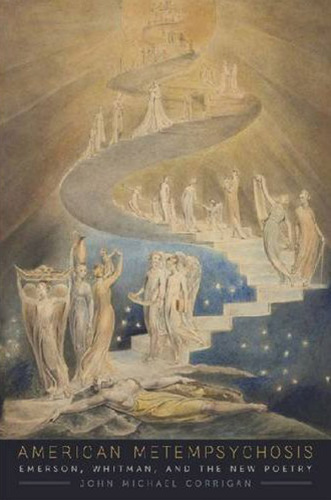
American metempsychosis Emerson, Whitman, and the new poetry
EPUB

New men: reconstructing the image of the veteran in late nineteenth-century American literature and culture
2015 · EPUB

Literary transcendentalism: style and vision in the American Renaissance
EPUB

Above the American renaissance: David S. Reynolds and the spiritual imagination in American literary studies
2018 · EPUB

American arabesque: Arabs and Islam in the 19th-century imaginary
EPUB

Miradas al lenguaje
2007 · PDF

The Christian Sacrament
1992 · PDF