Against the Grain: A Deep History of the Earliest States
Book information
Description
An account of all the new and surprising evidence now available for the beginnings of the earliest civilizations that contradict the standard narrative. Why did humans abandon hunting and gathering for sedentary communities dependent on livestock and cereal grains, and governed by precursors of today’s states? Most people believe that plant and animal domestication allowed humans, finally, to settle down and form agricultural villages, towns, and states, which made possible civilization, law, public order, and a presumably secure way of living. But archaeological and historical evidence challenges this narrative. The first agrarian states, says James C. Scott, were born of accumulations of domestications: first fire, then plants, livestock, subjects of the state, captives, and finally women in the patriarchal family—all of which can be viewed as a way of gaining control over reproduction. Scott explores why we avoided sedentism and plow agriculture, the advantages of mobile subsistence, the unforeseeable disease epidemics arising from crowding plants, animals, and grain, and why all early states are based on millets and cereal grains and unfree labor. He also discusses the “barbarians” who long evaded state control, as a way of understanding continuing tension between states and nonsubject peoples. Introduction: A Narrative in Tatters: What I Didn’t Know 1. The Domestication of Fire, Plants, Animals, and... Us 2. Landscaping the World: The Domus Complex 3. Zoonoses: A Perfect Epidemiological Storm 4. Agro-ecology of the Early State 5. Population Control: Bondage and War 6. Fragility of the Early State: Collapse as Disassembly 7. The Golden Age of the Barbarians
Similar books

Against the Grain: A Deep History of the Earliest States
2017 · PDF

Data Science
2018 · PDF

Data Science
2018 · EPUB

The 4-H Harvest: Sexuality and the State in Rural America
2015 · PDF

Higher Education in the Era of the Fourth Industrial Revolution
2018 · PDF

The Technological State in Indonesia: The Co-constitution of High Technology and Authoritarian Politics
2012 · PDF
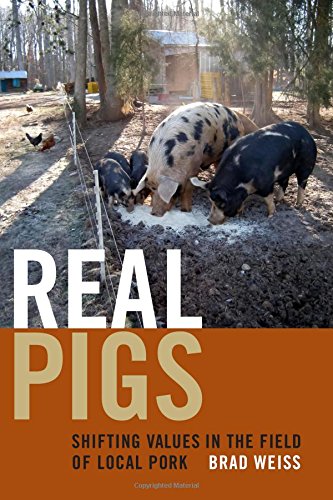
Real Pigs: Shifting Values in the Field of Local Pork
2016 · PDF

Game Changer: The Technoscientific Revolution in Sports
2017 · PDF