A Guide to Trance Land_ A Practical Handbook of Ericksonian and Solution-Oriented Hypnosis
Book information
Description
Cover Also by Bill O’Hanlon Title Page Dedication Contents Acknowledgments Preface Introduction to Solution-Oriented or Ericksonian Hypnosis Elements of Solution-Oriented Induction 1. Permission 1.1 Accept, Normalize, Reassure, and Validate Whatever the Person Presents 1.2 Give Permission To 1.3 Give Permission Not to Have To 1.4 Note and Include Any Distractions, Difficulties, Negativity, or Resistance 1.5 Use Possibility Words and Phrases (Rather Than Mind Reading or Prediction Language) 1.6 Give Multiple Possibilities for Responding 2. Presupposition 2.1 Before 2.2 After 2.3 Rate 2.4 Timing 2.5 Depth 2.6 Means, Pathways, or Method 2.7 Awareness 2.8 Verb Tenses 3. Splitting 3.1 Make Distinctions 3.2 Split Something Previously Considered One Thing into Two or More Parts 3.3 Make the Split Nonverbally as Well as Verbally 4. Linking 4.1 Join Things Together Verbally 4.2 Link Something in Your Behavior or Speaking to Something the Person is Doing 5. Interspersal 5.1 Emphasizing Through Voice Volume 5.2 Emphasizing Through Voice Location 6. Introduction to the Other Elements 6.1 Description 6.2 Truisms 6.3 Matching 6.4 Guiding Attention and Associations 6.5 The Confusion Technique The Culture and Territory of Trance Land 7. The Language of Trance 7.1 Use Passive Language 8. Everything You Always Wanted to Know About the Nature of Hypnosis But Were Too Deeply in Trance to Ask 8.1 Common Trance Indicators 8.2 Four Doorways Into Altered States 8.3 Why Use Trance? 8.4 When to Use Hypnosis 8.5 Trance Phenomena 8.6 Methods for Evoking Trance Phenomena 9. The $64,000 Question: What Do You Do Once the Person is in Trance to Get the Clinical Result? 9.1 Goals of Traditional Versus Solution-Oriented Hypnosis 9.2 Class of Problems and Class of Solutions Model 9.3 To Trust Your Unconscious or Not; That Is the Question 9.4 How to Use This Knowledge to Do Hypnotherapy 9.5 Stories in Trance Work 10. Inclusion as Intervention 10.1 Permission 10.2 Inclusion of Opposites 10.3 Identifying Injunctions That Could Yield to Inclusion 11. The Hitchhiker’s Guide to Solution-Oriented Hypnosis 12. Bad Trance/Good Trance Bad Trance/Good Trance Bibliography 13. The Process of Ericksonian Hypnotherapy Envoi: Leaving Trance Land Ericksonian Bibliography Copyright Page
Similar books

A Guide to Possibility Land: Fifty-One Methods for Doing Brief, Respectful Therapy

Solution-oriented Hypnosis: An Ericksonian Approach
1992 · PDF

Taproots: Underlying Principles of Milton Erickson's Therapy and Hypnosis
1987 · PDF

Write Is a Verb: Sit Down, Start Writing, No Excuses
DJVU
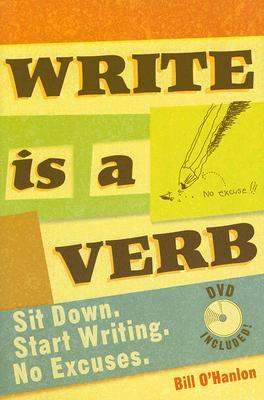
Write Is a Verb: Sit Down, Start Writing, No Excuses (Book + Handouts + Worksheets + Podcasts)
RAR

A Guide to Trance Land: A Practical Handbook of Ericksonian and Solution-Oriented Hypnosis
2009 · EPUB
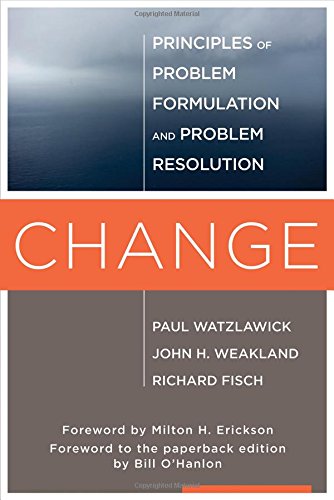
Change: Principles of Problem Formation and Problem Resolution
2011 · MOBI

Do One Thing Different: And Other Uncommonly Sensible Solutions To Life's Persistent Problems
1999 · PDF