Ōsaka Archaeology
Book information
Description
Ōsaka, now a city of 19 million inhabitants, was the economic powerhouse of Japan for two thousand years and remains an important international center. In an unusual archaeological treatment of regional long-term history, Richard Pearson proposes that a kind of entrepreneurial mentality motivated leaders to expand the economy through projects of all kinds. He summarizes results of decades of Japanese intensive archaeological study of these projects and introduces some local museums conserving and interpreting cultural heritage in the face of overwhelming urbanization. The Ōsaka Plain was the scene of vigorous Palaeolithic and Jōmon hunting and gathering communities and large agricultural villages during the Yayoi Period, and was the political center of Japan for parts of the Kofun, Asuka and Nara Periods. In the 5th century AD some of the largest burial mounds in the world were built there. Later it was an area of rich and powerful manors in the Heian and Kamakura Periods. At the end of the Chūsei (Mediaeval) Period, the city of Sakai emerged as the financial center of Japan. and Ōsaka Castle briefly dominated the region. Working in tandem with the adjacent Nara and Kyōto Basins, Ōsaka was a center of innovation and economic, social, and cultural exchange between the Japanese Islands and coastal Asia.
Similar books
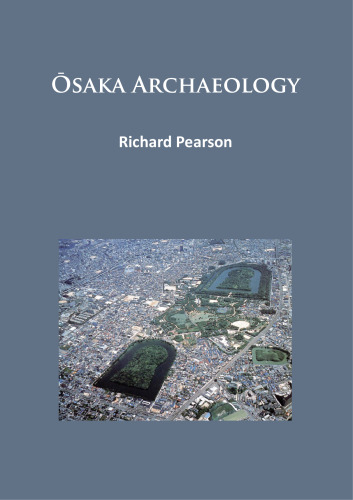
Ōsaka Archaeology
2016 · PDF

Ancient Ryukyu: An Archaeological Study of Island Communities
2013 · PDF

Taiwan Archaeology: Local Development and Cultural Boundaries in the China Seas
2022 · PDF

W.M.Thackery and the Mediated Text: Writing for Periodicals in the Mid-Nineteenth Century
2017 · EPUB

CHINESE NEOLITHIC BURIAL PATTERNS: Problems of Method and Interpretation
1988 · PDF
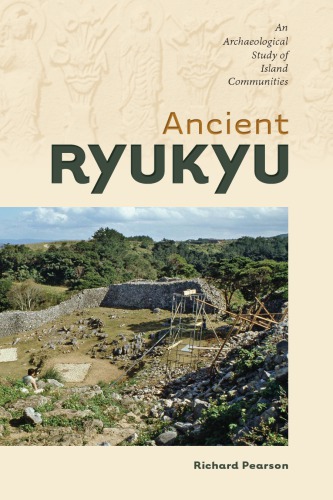
Ancient Ryukyu: An Archaeological Study of Island Communities
2013 · PDF

MySQL® Notes for Professionals book
2018 · PDF

MrExcel 2022: Boosting Excel
2022 · PDF