The Practical Art of Divine Magic: Contemporary & Ancient Techniques of Theurgy
Book information
Description
The ancient world of Egypt, Greece, and Rome was home to a set of magical and spiritual technologies, called theurgy, that unite the practice of magic with the aims of religion. Theurgy, or "godwork," is the art of creating a stronger bond between the theurgist and his or her deities. The results of this stronger bond were imminently practical: stronger magic, more meaningful existence, and a better life. With the fall of Rome, these techniques faded into obscurity, and many of them were lost forever. This book revives, restores, and reinvents these practices for a contemporary pagan or magical practitioner. A mixture of scholarly research and examination of source texts and daring experimentation and extrapolation leads to a complete and workable system that can inform a variety of practices, all presented in a relaxed, lighthearted, and readable way. Whether you practice witchcraft, ceremonial magic, or chaos magic, you can benefit from the practice of theurgy. You will learn techniques to create stronger bonds with divine forces, call up and communicate with spiritual beings, summon a magical assistant, create statues imbued with divine spirit, and master your own mind. The ultimate goal is union with the divine, but theurgy is a practical path, and every step on that path is designed to improve your life.
Similar books

The Orphic Hymns
2018 · EPUB

The Practical Art of Divine Magic: Contemporary & Ancient Techniques of Theurgy
2015 · EPUB
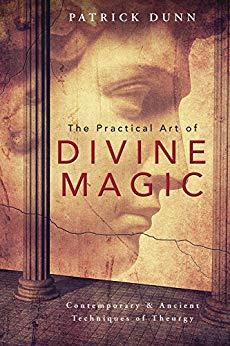
The Practical Art of Divine Magic: Contemporary & Ancient Techniques of Theurgy
EPUB

Magic Power Language Symbol: A Magician’s Exploration of Linguistics
2008 · EPUB

The Orphic Hymns: A New Translation for the Occult Practitioner
2018 · PDF

The Practical Art of Divine Magic: Contemporary & Ancient Techniques of Theurgy
2015 · MOBI
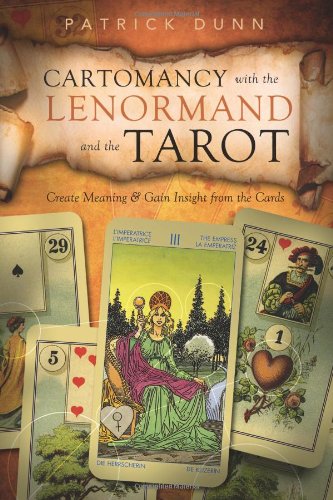
Cartomancy with the Lenormand and the Tarot: Create Meaning & Gain Insight from the Cards
2013 · EPUB

Postmodern Magic: The Art of Magic in the Information Age
2005 · PDF