Islamicate Textiles: Fashion, Fabric, and Ritual
Book information
Description
Textiles and clothing are interwoven with Islamic culture. In Islamicate Textiles, readers are taken on a journey from Central Asia to Tanzania to uncover the central roles that textiles play within Muslim-majority communities. This thematically arranged book sheds light on the traditions, rituals and religious practices of these regions, and the ways in which each one incorporates materials and clothing. Drawing on examples including Iranian lion carpets and Arabic keffiyeh, Faegheh Shirazi frames these textiles and totemic items as important cultural signifiers that, together, form a dynamic and fascinating material culture. Like a developing language, this culture expands, bends and develops to suit the needs of new generations and groups across the world. The political significance of Islamicate textiles is also explored: Faegheh Shirazi’s writing reveals the fraught relationship between the East – with its sought-after materials and much-valued textiles – and the European countries that purchased and repurposed these goods, and lays bare the historical and contemporary connections between textiles, colonialism, immigration and economics. Dr Shirazi also discusses gender and how textiles and clothing are intimately linked with sexuality and gender identity. Cover Halftitle page Frontispiece Title page Copyright page Dedication CONTENTS ILLUSTRATIONS ACKNOWLEDGMENTS INTRODUCTION Description of the project Material culture: History and function Trauma, activism, and economic benefit Preservation of national heritage Audience and readership CHAPTER 1 TEXTILES AND SYMBOLS: A MÉLANGE OF CULTURAL SIGNIFIERS Kanga: Cloth with A Message Lion of Persia: From pre-Islamic to contemporary Iran Felt and fabrics under domination: Central Asia Ram’s horn: Central Asia and Iran CHAPTER 2 TALISMANIC TEXTILES: GENDER, STATUS, AND THE SUPERNATURAL Protecting fiber and livelihood: The Ladakh Blessed looms, blessed fibers Sacred colors: Red, white, and light blue Beyond the loom Amulets: Protection against the unseen Inscribed talismanic shirts Gendered looms Gendered looms: Iran CHAPTER 3 THE POLITICIZATION OF TEXTILES: COLONIALISM TO THE PRESENT India and cotton: Rejecting colonial rule United we stand: India’s Muslim weavers West African wax cloth Calico: The forbidden Indian cotton Indian cloth in Southeast Asia Keffiyeh: From functional to symbolic The effect of Russian colonization on Central Asian textiles Tajikstan: Textiles and national branding Soviet symbols on woven carpets CHAPTER 4 REFUGEES AND DISPLACED PERSONS: TEXTILE SIGNATURES The Siddis of India Afghan refugee women: Embroidered lives Weaving and war: Carpets depicting a nation under siege Iraqi refugees: Textile arts of the past Syrian and Iraqi refugees: Embroidered quilts and the charuga Syrian refugees: The Ana Collection Weaving timeless symbols: War’s impact on non-Muslim communities CHAPTER 5 TEXTILES AND DEATH RITUALS INISLAMICATE SOCIETIES The burial garment for Muslims: The kafan Piecing together the past: Tiraz and halaqa Tomb covers for the Prophet Muhammed: Kiswa Tomb covers: Signifiers of status Indian and South Asian tomb covers Egyptian funeral tents: The art of Khayamiya CONCLUSION GLOSSARY BIBLIOGRAPHY INDEX
Similar books

Velvet Jihad: Muslim Women's Quiet Resistance to Islamic Fundamentalism
2009 · PDF

The Veil Unveiled: The Hijab in Modern Culture
2003 · PDF

Brand Islam: The Marketing and Commodification of Piety
2016 · PDF

The Veil Unveiled: The Hijab in Modern Culture
2001 · PDF
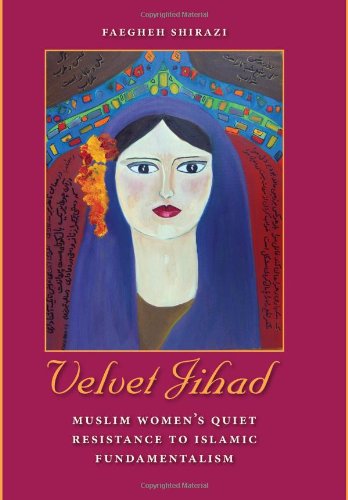
Velvet Jihad: Muslim Women's Quiet Resistance to Islamic Fundamentalism
2009 · PDF

Muslim Women in War and Crisis: Representation and Reality
2010 · PDF

Muslim Women in War and Crisis: Representation and Reality
2010 · PDF

The Veil Unveiled
2001 · PDF