The Tyranny of Experts: Economists, Dictators, and the Forgotten Rights of the Poor
Book information
Description
Over the last century, global poverty has largely been viewed as a technical problem that merely requires the right expert” solutions. Yet all too often, experts recommend solutions that fix immediate problems without addressing the systemic political factors that created them in the first place. Further, they produce an accidental collusion with benevolent autocrats,” leaving dictators with yet more power to violate the rights of the poor.In The Tyranny of Experts, economist William Easterly, bestselling author of The White Man’s Burden, traces the history of the fight against global poverty, showing not only how these tactics have trampled the individual freedom of the world’s poor, but how in doing so have suppressed a vital debate about an alternative approach to solving poverty: freedom. Presenting a wealth of cutting-edge economic research, Easterly argues that only a new model of developmentone predicated on respect for the individual rights of people in developing countries, that understands that unchecked state power is the problem and not the solution will be capable of ending global poverty once and for all.
Similar books

La carga del hombre blanco: El fracaso de la ayuda al desarrollo
2015 · EPUB

Lo sviluppo inafferrabile. L'avventurosa ricerca della crescita economica nel Sud del mondo
2006 · PDF
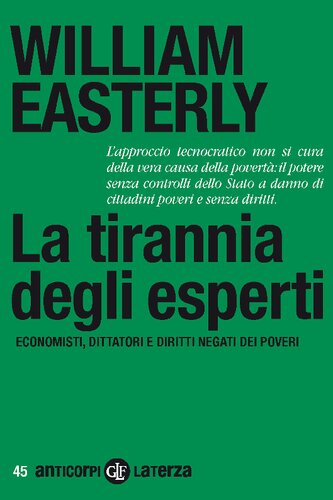
La tirannia degli esperti. Economisti, dittatori e diritti negati dei poveri
2015 · PDF

The Tyranny of Experts: Economists, Dictators, and the Forgotten Rights of the Poor
2013 · EPUB

Lo sviluppo inafferrabile. L'avventurosa ricerca della crescita economica nel Sud del mondo
2006 · PDF

The Tyranny of Experts: Economists, Dictators, and the Forgotten Rights of the Poor
2014 · PDF

The White Man's Burden: Why the West's Efforts to Aid the Rest Have Done So Much Ill and So Little Good
2006 · EPUB
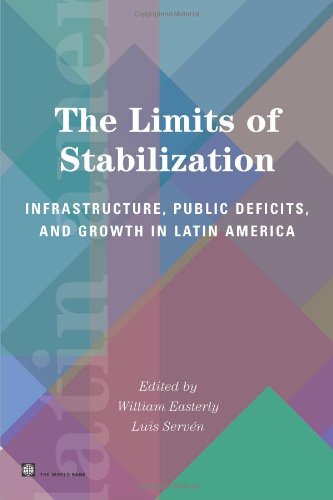
The Limits of Stabilization: Infrastructure, Public Deficits and Growth in Latin America (Latin America and Caribbean Studies)
2003 · PDF