The Psychology of the Simpsons: the Psychology of ''The Simpsons''
Book information
Description
Psychologists turn their attention to?The Simpsons," one of America's most popular and beloved shows, in these essays that explore the function and dysfunctions of the show's characters. Designed to appeal to both fans of the show and students of psychology, this unique blend of science and pop culture consists of essays by professional psychologists drawn from schools and clinical practices across the country. Each essay is designed to be accessible, thoughtful and entertaining, while providing the reader with insights into both?The Simpsons" and the latest in psychological thought. Ev.;Other Titles in the Smart Pop Series; Title Page; The Family Simpson -- Like Looking in a Mirror?; General Family Demographics; Family Hierarchy; Family Roles; Family Rules; Communication and Emotional Patterns; Parenting; Conflict Resolution; Social Interaction; A Healthy Family?; The Simpson Family as the Cultural Ideal; For Better, or Worse? -- The Love of Homer and Marge; Interdependence Theory; Homer and Marge: Satisfied?; Homer and Marge: Dependent?; Homer and Marge: Invested?; Homer and Marge: For Better, or Worse?; References; Reference for scale. Other Titles in the Smart Pop Series Title Page The Family Simpson -- Like Looking in a Mirror? General Family Demographics Family Hierarchy Family Roles Family Rules Communication and Emotional Patterns Parenting Conflict Resolution Social Interaction A Healthy Family? The Simpson Family as the Cultural Ideal For Better, or Worse? -- The Love of Homer and Marge Interdependence Theory Homer and Marge: Satisfied? Homer and Marge: Dependent? Homer and Marge: Invested? Homer and Marge: For Better, or Worse? References Reference for scale. "Which One of Us Is Truly Crazy?" -- Pop Psychology and the Discourse of Sanity ... Stupid Brain! -- Homer's Working Memory Odyssey References Acknowledgments Homer's Soul Homer and His Brain Homer's Soul A Trickle-Down Understanding of the Mind: Alcohol-The Cause of, and Solution to, All Life's problems Defining Alcohol Use Disorders: Do Homer, Barney and Ned Have the Same Problem? Dependence Risk in the Simpson Children General Risk Factors Specific Factors: Bart the Musician and President Lisa Bart the Musician or Bart the Policeman? The Evidence of "Simpson DNA" References. The Cafeteria Deep Fryer Is Not a ToyRecommended Further Reading Righteousness and Relationships -- Feminine Fury in The Simpsons or How Marge ... 1. Anger Always Messes up Relationships and Is Always Bad 2. Anger Destroys Your Health 3. Anger Means You're a Weak, Emotionally Unstable Person 4. You Can Permanently Steer Clear of Anger 5. Anger Makes You Stupid and Makes It Difficult to Think Rationally Special Cases of Anger A Qualitative Content Analysis In Conclusion References Self-Esteem in Springfieid -- Self and Identity in the Land of D'oh Self-Esteem Self-Discrepancy Theory. Self-Esteem and PerformanceSelf-Esteem and the Performance of Others Conclusion References Acknowledgments Can Bart or Homer Learn? Evidence of Observational Learning Evidence of Classical Conditioning Evidence of Instrumental Conditioning Evidence from Classical and Instrumental Conditioning Conclusions References Sex and Gender in Sprigfield -- Male, Female and D'oh Definitions Doctrine of Two Spheres Gender Stereotypes in The Simpsons Gender Roles in The Simpsons Masculinity and Femininity Conclusion: Sex and Gender in Springfield References. Hope Springs Parental -- The Simpsons and HopefulnessReferences Looking for Mr. Smarty Pants -- Intelligence and Expertise in The Simpsons Intelligence Versus Expertise Domains of Expertise Who Should Provide Advice? Expertise and Development Conclusions References The Personalities of The Simpsons -- Simpsons'Big Five Peer Assessment The Study Results Summary References Acknowledgments Lyle Lanley, You're My Hero! -- The Social Psychology of Group Membership and Influence Power of Numbers Excellent! The Power of, Well, Power Examples of Applying Influence Tactics Conclusion. Pringfield-How Not to Buy a Monorail -- Decision-Making (Mostly Bad) in The Simpsons.
Similar books

The World of Poldark
2016 · EPUB

Season Finale
EPUB

Primetime blues: African Americans on network television
2015 · EPUB

Street Gang: The Complete History of Sesame Street
EPUB
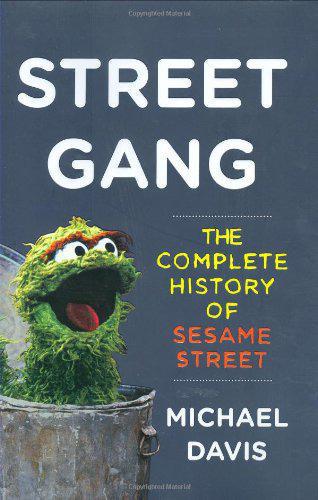
Street gang: the complete history of Sesame Street
MOBI

The second Scottish Wars of Independence, 1332-1363
2006 · PDF

Battle Story: Singapore, 1942
2012 · EPUB

Arnhem 1944
EPUB