Forensic Applications of High Performance Liquid Chromatography
Book information
Description
Chromatography has many roles in forensic science, ranging from toxicology to environmental analysis. In particular, high-performance liquid chromatography (HPLC) is a primary method of analysis in many types of laboratories. Maintaining a balance between practical solutions and the theoretical considerations involved in HPLC analysis, Forensic Applications of High Performance Liquid Chromatography uses real-life examples likely to be found within a forensic science laboratory to explain HPLC from a forensic perspective. Focusing chiefly on the reverse phase HPLC mode of separation, this volume examines: The history of HPLC and the theory behind the separation process The requirements for successful analysis and best practice tips The modes of separation and detection most appropriate for forensic science applications HPLC method development and evaluation The quality aspects of laboratory operation Troubleshooting HPLC systems and analyses Applications of HPLC within the field of forensic science Designed as a textbook for university students studying analytical chemistry, applied chemistry, forensic chemistry, or other courses with an element of HPLC within the course curriculum, this volume is also an invaluable guide for those in the early stages of their forensic analysis careers. An instructor’s manual with lecture slides, test bank, objectives, and exercises is available with qualifying course adoption
Similar books

Практический курс жидкостной хроматографии
2013 · PDF

Аналитическая и физическая химия
2017 · PDF

Роданидные комплексы металлов в экстракции и ионометрии
2017 · PDF

Методика калибровки измерителей pH
DJVU

Аналитическая химия

Применение физических методов в химических исследованиях
DJVU

Аналитическая химия: лабораторные работы, контрольные вопросы и варианты домашних заданий
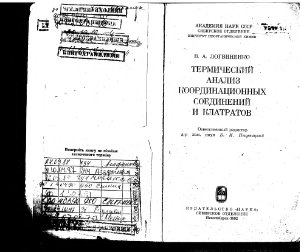
Термический анализ координационных соединений и клатратов
DJVU