Sudden Genius? The Gradual Path to Creative Breakthroughs
Book information
Description
The extraordinarily inventive Linus Pauling, twice winner of the Nobel Prize, was asked how he came to have so many good ideas. Pauling replied: "Well, I have a lot of ideas and throw away the bad ones." Where do ideas come from? And why do the best ideas sometimes strike in a flash of "sudden genius"? Andrew Robinson here offers a fascinating look at the genesis of creativity in science and art, following ten remarkable individuals who achieved brilliant breakthroughs in their fields. Robinson looks first at the scientific study of creativity, covering talent, genius, intelligence, memory, dreams, the unconscious, and much more. He then tells the stories of ten amazing breakthroughs--five by scientists and five by artists--ranging from Curie's discovery of radium and Einstein's theory of special relativity to Mozart's composing of The Marriage of Figaro and Virginia Woolf's writing of Mrs. Dalloway. Robinson concludes by highlighting what highly creative people have in common; whether breakthroughs in science and art follow patterns; and whether they always involve great leaps and "sudden genius."
Similar books
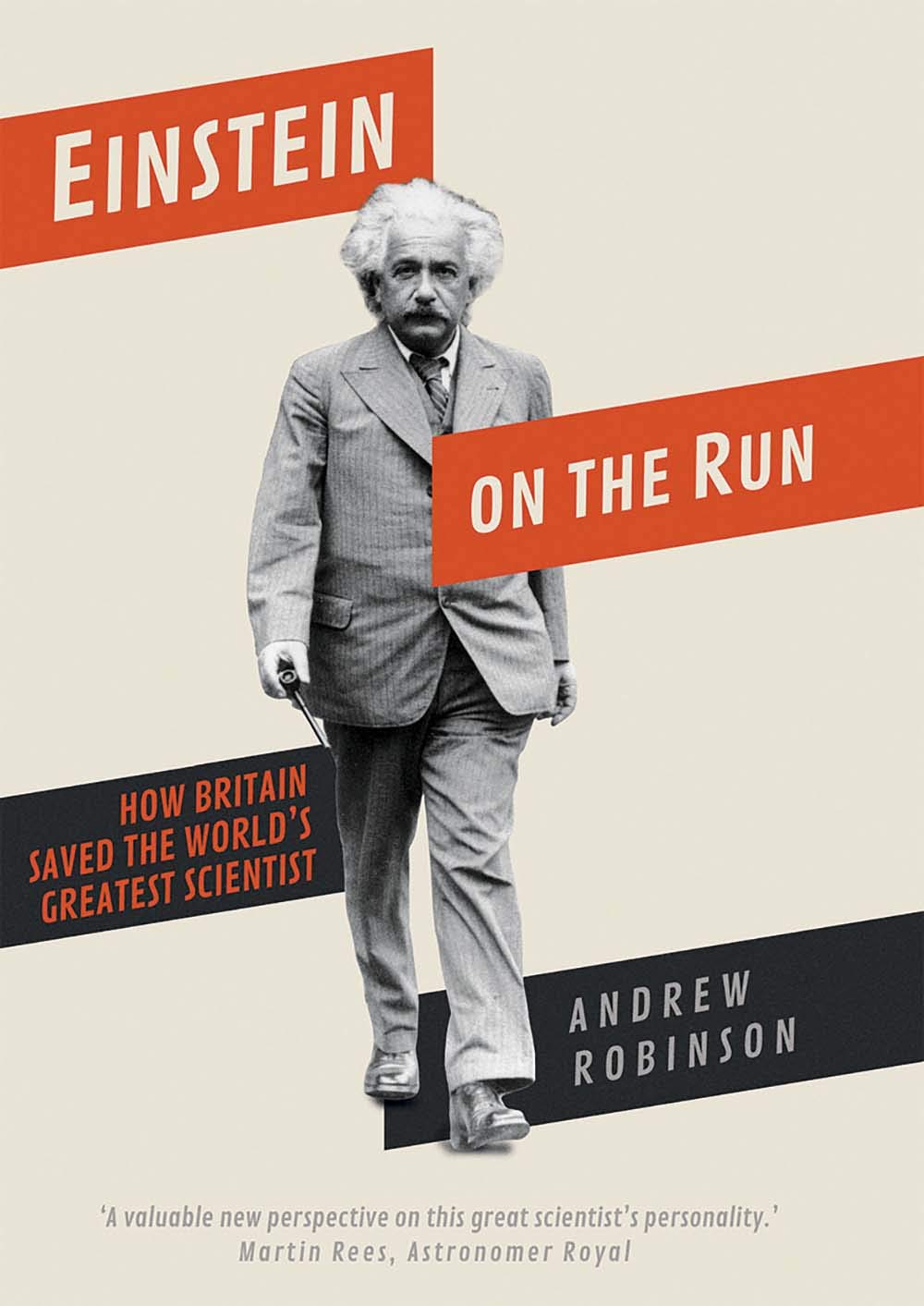
Einstein on the Run: How Britain Saved the World’s Greatest Scientist
2019 · PDF

God and the World of Signs: Trinity, Evolution, and the Metaphysical Semiotics of C. S. Peirce
2010 · PDF

Writing and Script: A Very Short Introduction

Gardening for Beginners 6 in 1 Box Set : Gardening, Hydroponics, Dry Your Herbs And Create Your Own Herbal Remedies, DIY Pickling, Foraging, Marijuana Horticulture
EPUB

Writing and Script: A Very Short Introduction (Very Short Introductions)
2009 · EPUB

Exceptional Creativity in Science and Technology : Individuals, Institutions, and Innovations
2013 · PDF

Satyajit Ray: The Inner Eye: The Biography of a Master Film-Maker
2004 · PDF

Einstein on the Run: How Britain Saved the World's Greatest Scientist
2019 · PDF